
Attachment end
Identify the watch interface and required case clearance. Review the bend near the watch, attachment hardware and any reinforcement that affects movement.
WATCH BANDS / LAYERED CONSTRUCTION
Review the upper material, skin-side lining, structure and finishing as one strap. KeepWin helps define a leather collection around shape, fit, appearance and a sample that makes the construction decisions visible.
Leather identity, source documentation, construction, finish and care guidance are confirmed for the offered model. No exotic-material, water-resistance or skin-contact certification is assumed.
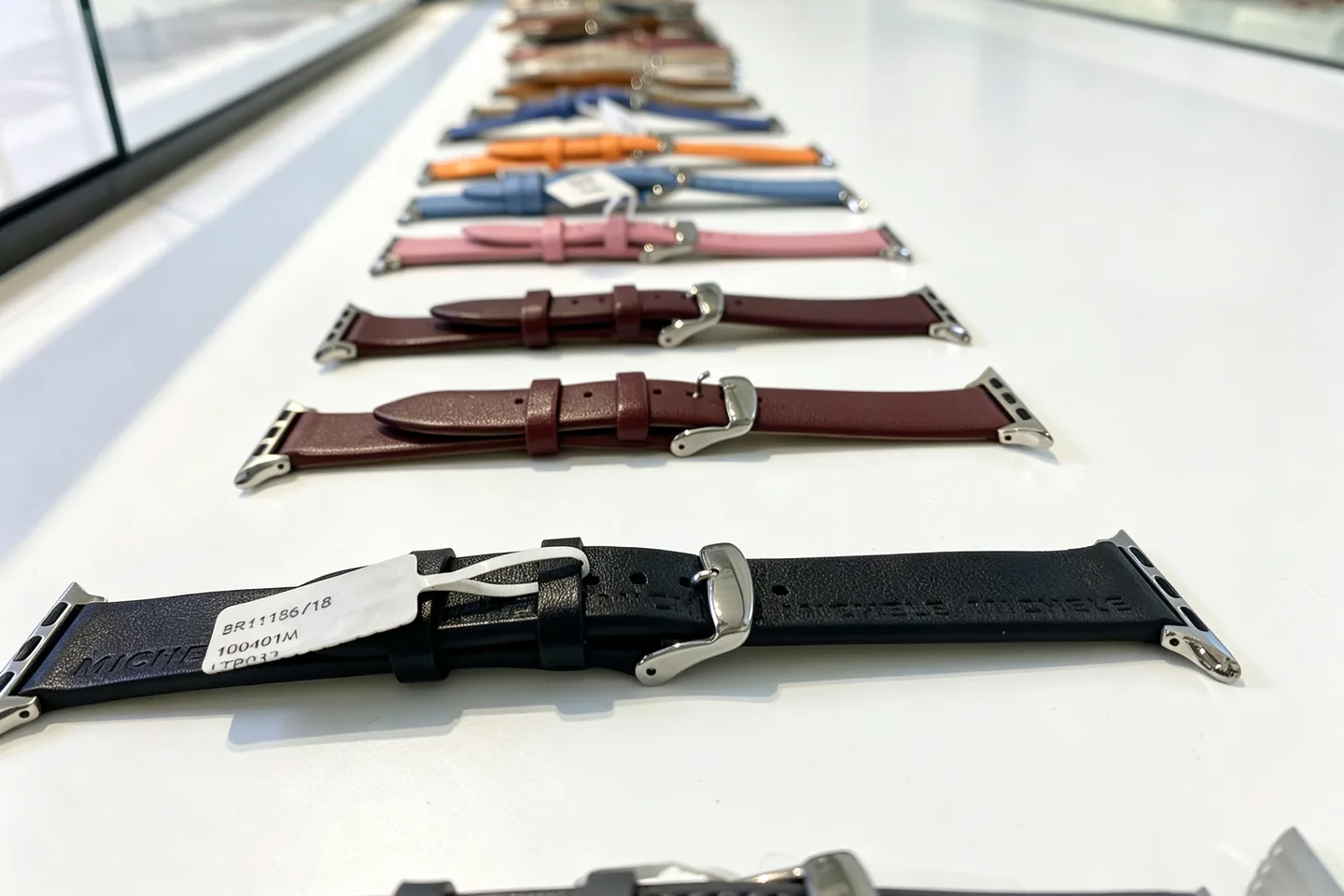
Supplied leather sample-display photograph. Individual examples do not establish the material composition or source of every offered model.
01 / LAYER CHOICES
The visible leather surface is only one part of the strap. Lining, reinforcement, padding, adhesives and edge treatment can affect feel, shape and care requirements.
| Layer or feature | Specify | Review on the sample |
|---|---|---|
| Upper material | Leather type, finish, texture and permitted natural variation. | Grain appearance, color, bending and visible-area acceptance. |
| Skin-side lining | Material identity and contact requirements. | Surface feel, edges and contact-side consistency. |
| Structure & padding | Profile intent, reinforcement and thickness transitions. | Shape, flexibility and comfort around wrist and watch. |
| Edge system | Folded, painted or other agreed construction. | Edge continuity, exposed fibers and behavior during bending. |
02 / PROFILE & SIZING
A padded silhouette, flat strap or strong taper can feel different at the same nominal width. Define the wearing range and the geometry at both attachment and buckle ends.
Identify the watch interface and required case clearance. Review the bend near the watch, attachment hardware and any reinforcement that affects movement.
Define the intended top profile and transitions. Check whether the strap bends naturally, sits against the wrist and passes through the offered buckle and keepers.
Record short and long section lengths, hole arrangement and usable wearing range using an agreed measurement method. Review the tail at the smallest and largest intended settings.
Confirm buckle width, pin geometry and keeper construction together with strap thickness. Similar nominal widths do not guarantee easy operation.
Review left and right sections, cut edges, padding symmetry and stitch alignment as a complete pair. Identify which differences are permitted natural variation and which are defects.
03 / STITCHING & EDGES
Thread, edge paint and embossing deserve specific references. Define their position and appearance rather than relying on terms such as “luxury stitching”.
| Detail | Design information | Sample question |
|---|---|---|
| Stitching | Color, route, spacing intent and visible-area scope. | Are lines consistent and aligned through curves and transitions? |
| Edge finish | Color, construction and reference appearance. | Are edges continuous and free of unacceptable residue, exposed fiber or cracking under the agreed checks? |
| Texture | Natural or applied pattern and permitted variation. | Does each section meet the agreed grain and appearance reference? |
| Marking | Authorized artwork, position and method. | Is the result legible without unacceptable damage or distortion? |
04 / USE & CARE
Leather types and treatments differ, so an instruction for another brand or model should not automatically be applied. Define intended exposure and request guidance appropriate to the offered strap.
Describe perspiration, ordinary cleaning, climate and likely wetting. Do not treat a leather label or lined construction as a water-resistance claim.
If color transfer, surface staining or edge durability matters, identify the condition and evaluation expected. Agree methods and criteria rather than relying on a generic durability adjective.
Include lining, edge materials, adhesives and hardware in any skin-contact evidence request. The visible upper alone does not establish finished-product suitability.
Agree adjustment, storage and care wording for the supplied model. Keep care instructions consistent with verified material and finish scope, including any limitations.
05 / COLLECTION APPROVAL
Keep leather, lining, stitching, edge finish and buckle configurations identifiable throughout sampling and delivery. A change to one layer or detail can require another review.
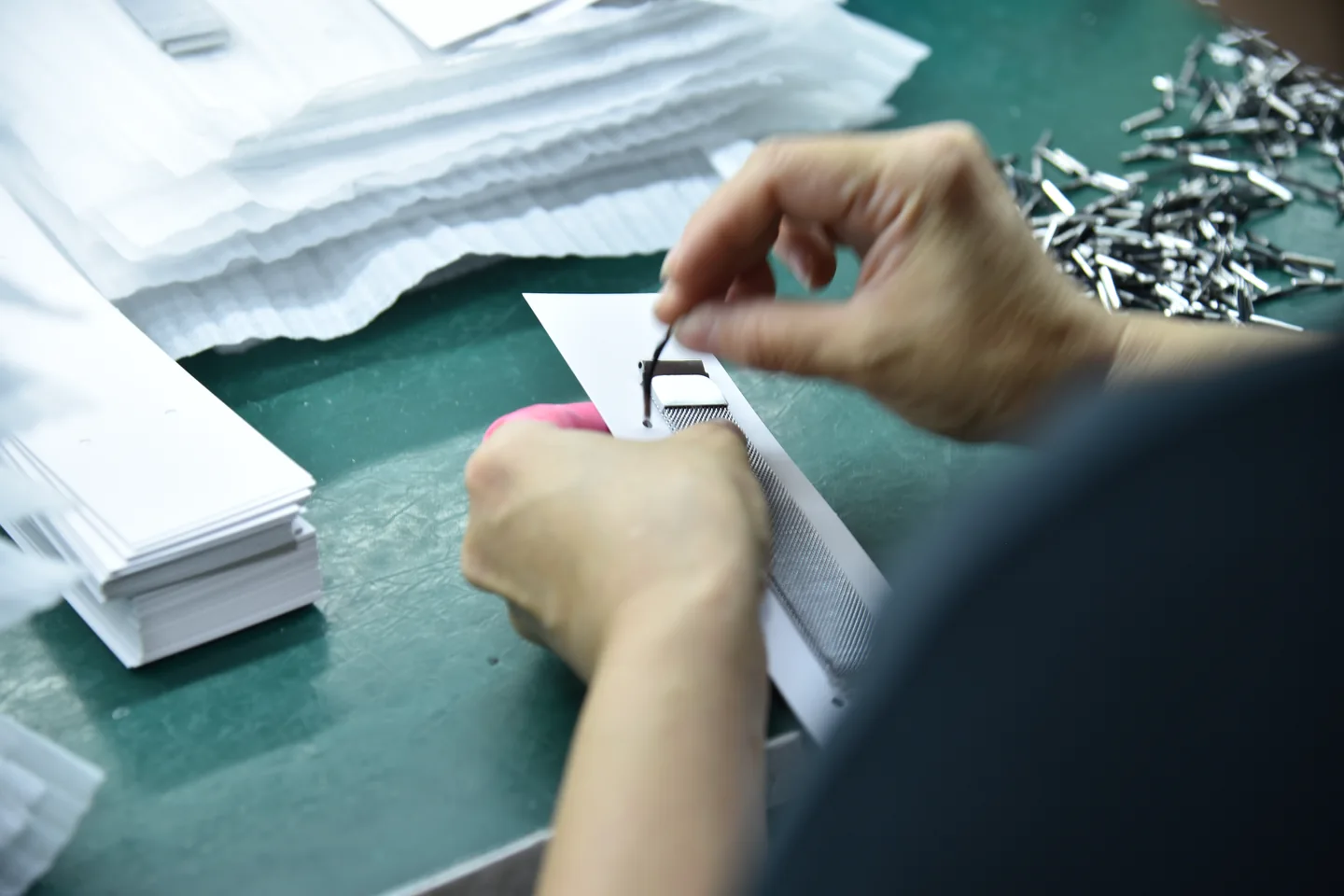
Supplied packaging-work reference. The actual retail pack, handling and labeling scope must be agreed for this collection.
Style, interface, layer composition, profile, colors and detail map.
Fit, bending, buckle operation, keeper behavior and edges.
Upper, lining, grain, stitching and color variation under agreed conditions.
Record which exact material and color combinations the sample covers.
Labels, packaging protection, instructions, quantities and delivery records.
06 / QUESTIONS
A style reference is enough to start, but the layer choices and wear requirements should be made explicit before approval.
No. Specify the upper, lining, structure, adhesives and edge construction as applicable. Review the complete pair rather than the top surface alone.
No. Appearance alone is insufficient evidence. If species, origin or source documentation is required, state it and confirm what records can be supplied.
No universal cleaning or water-resistance instruction is made. Ask for care guidance for the actual materials and treatment, and define any required wet-use evidence.
Agree the permitted grain, texture and color differences, viewing conditions and representative retained sample. Separate intentional variation from unacceptable defects.
A change should be recorded and its effect reviewed. Confirm whether renewed appearance, fit or functional approval is required for that exact variant.
PREPARE THE NEXT DECISION
Send the watch interface, style, upper and lining preferences, stitch and edge references, wrist range and quantity by color.
sales@keepwinco.comAn enquiry starts a team review. Material, fit, quantity, schedule, operation responsibility and supporting records are confirmed in the proposal; this form does not create an order or an instant price.
Start with what you know. Review your details before sending; no account needed.
Start watch band inquiry →Your project is saved securely only when submission succeeds.
General material context only; external references do not certify a finished KeepWin product.
HIRSCH · construction-specific strap care context ↗