
Watch connectors
Identify the intended watch reference, geometry and engagement mechanism. Review insertion, retention, release and case clearance with the actual mating part.
WATCH BANDS / HARDWARE INTERFACES
Define how the watch, strap and closure engage before choosing the surface appearance. KeepWin helps review connector geometry, buckle operation, joining hardware and the assembly evidence needed for your collection.
Compatibility, component materials, tooling, operation responsibility and performance evidence require project confirmation. No device-brand approval or universal retention result is implied.
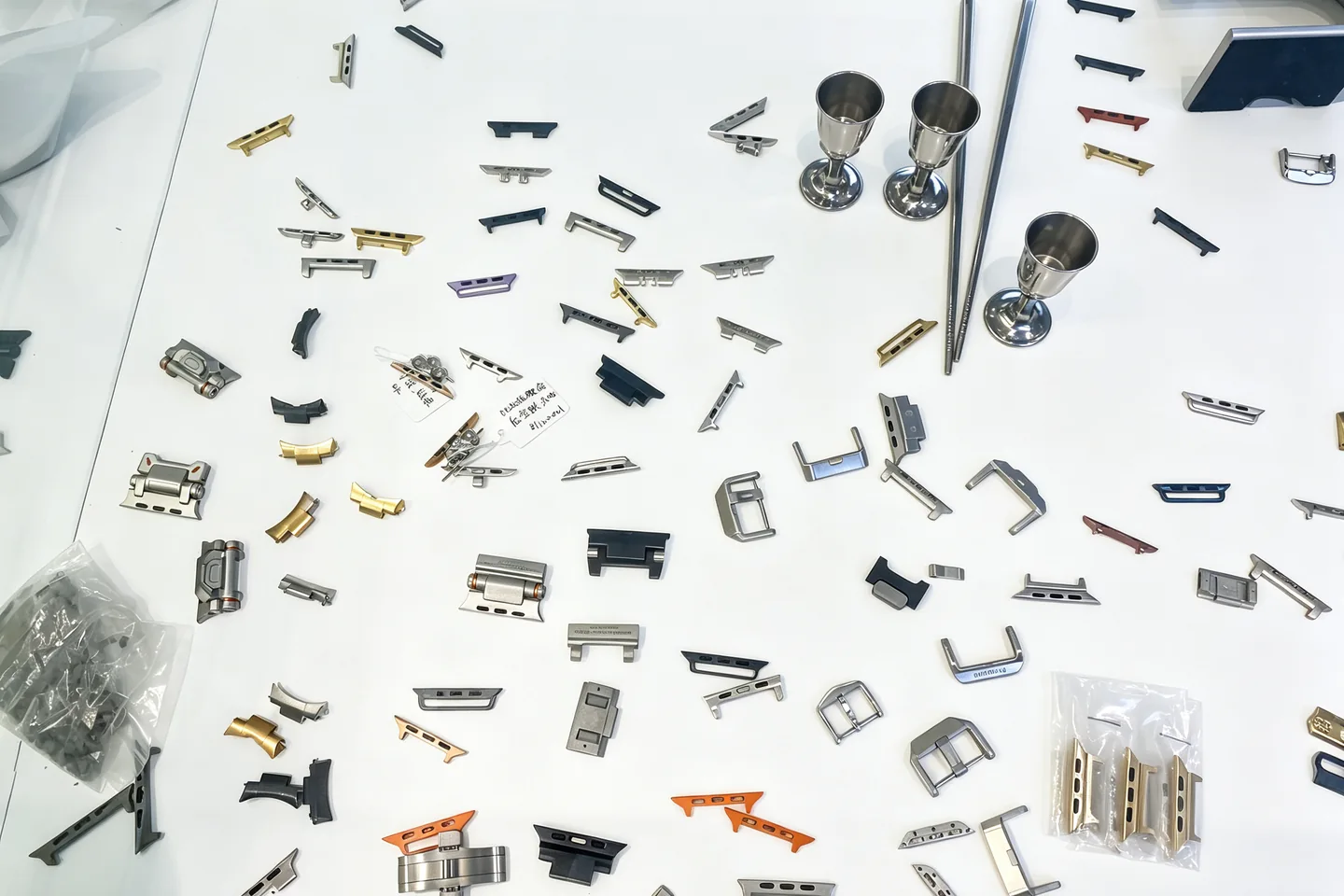
Supplied component-sample photograph. Individual pieces do not establish compatibility or interchangeability with an identified watch or strap.
01 / HARDWARE SCOPE
A connector secures the strap to the mating watch interface; a buckle or clasp closes the wearing loop. Joining hardware and keepers add further interfaces that need their own definition.
Identify the intended watch reference, geometry and engagement mechanism. Review insertion, retention, release and case clearance with the actual mating part.
Define the closure type, strap-end geometry and operating controls. Review the whole wearing configuration, not just the appearance of the metal part.
Record the joining method, replacements and adjustment instructions. Identify how hardware is retained and how a user can service the configuration safely.
02 / MATING GEOMETRY
Widths, profiles, engagement features and clearances interact. Supply controlled dimensions and a mating reference where possible so review can focus on function.
| Reference | Include | Review question |
|---|---|---|
| Watch side | Identified model or controlled mating drawing and revision. | Does the connector engage and release as intended without damaging contact? |
| Strap side | Width, thickness, end profile and material. | Can the strap move and remain retained in the offered hardware? |
| Joining detail | Pin or screw arrangement and any removable parts. | Is assembly repeatable with the agreed tools and instructions? |
| Protected areas | Cosmetic faces and no-contact zones. | Does operation preserve the watch and strap surfaces? |
03 / OPERATION
Insertion, fastening, adjustment and release should be evaluated as a sequence on the assembled sample. Identify unintended actions and misuse concerns that matter to the buyer.
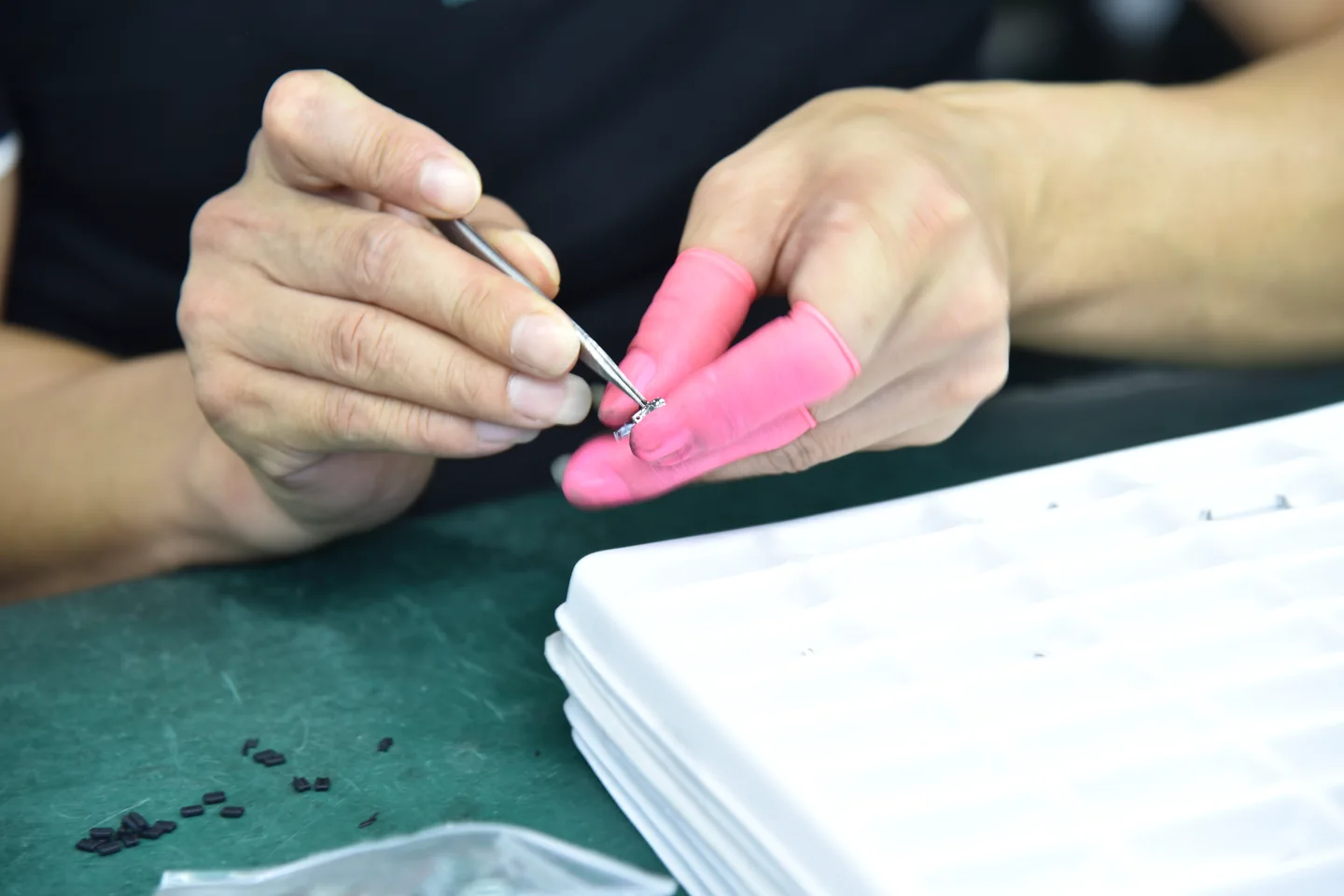
Supplied connector-assembly reference. It illustrates handling, not a verified assembly method for every model or an operation-ownership claim.
Review the intended engagement action and any feedback the user relies on. Confirm that an apparently closed mechanism is actually in the required retained state.
Check whether controls are reachable without unintended release during ordinary handling. Any requested secondary retention needs an explicit design and evaluation scope.
Use the offered strap, holes, removable links or hardware. Review tools, instruction clarity and whether repeated adjustment creates visible damage.
Define replaceable parts and the limits of user maintenance. Identify which changes require a new fit or retention review.
04 / MATERIALS & FINISH
The body, springs, pins, screws and treatments may have different material requirements. Keep material identity and surface intent tied to the offered assembly.
| Area | Requirement to define | Approval concern |
|---|---|---|
| Visible body | Material, finish map, color and authorized marking. | Appearance, edges and consistency with the strap or bracelet. |
| Moving contacts | Material and treatment where parts rub or engage. | Operation and any agreed durability evidence. |
| Pins, screws & springs | Material, joining method and replacement scope. | Retention, assembly and mixed-material interfaces. |
| Watch / skin contacts | Contact surfaces, edges and required evidence. | No unacceptable protrusions, damaging contact or unverified suitability claim. |
05 / SAMPLE ACCEPTANCE
Dimensional review and appearance inspection do not independently establish retention or durability. Name the required checks and their acceptance basis for the configuration.
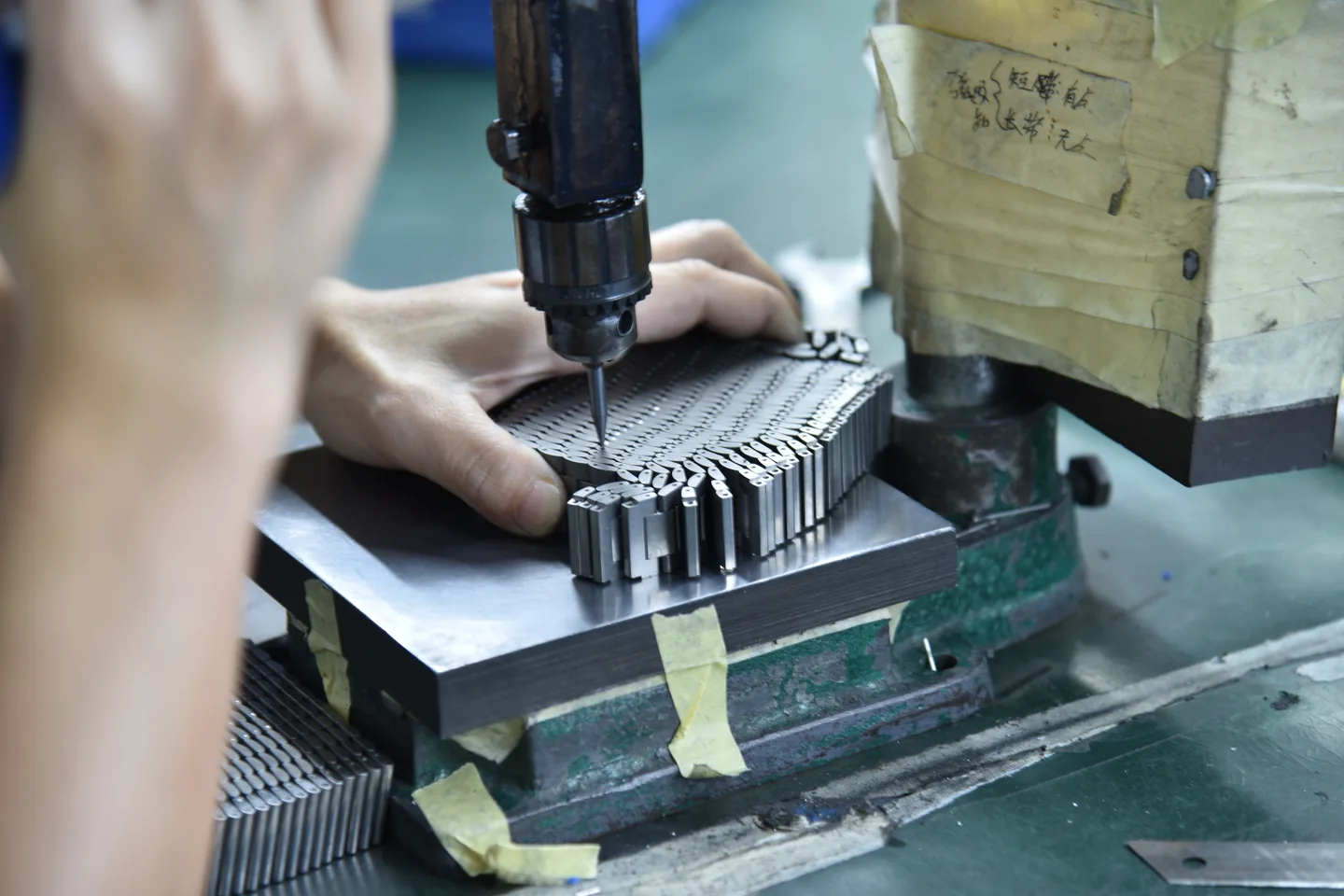
Supplied watch-band assembly reference. Responsible operations and any test results remain project-specific.
Mating watch or strap, drawings, revisions and included hardware.
Joining, adjustment, access and protected contact surfaces.
Engagement, closure and release with the agreed sample scope.
Methods, criteria, sampling, records and any required revisions.
Part identity, finish, accessories, instructions and delivery quantities.
Mark critical interface dimensions and datums, not every dimension as equally critical. Resolve model and drawing differences before approval.
State any retention, repeated-operation, environmental or contact requirement. Confirm method and records in the proposal; no numerical capability is published here.
06 / QUESTIONS
Avoid treating a component that looks familiar as interchangeable with the mating assembly.
A photograph can start the conversation, but controlled geometry and the intended mating reference are needed to confirm compatibility.
No. Strap thickness, end shape, pin geometry, keeper and movement also matter. Review the complete configuration.
Provide authorized artwork and the treatment request. Its effect on clearances, surfaces and operation requires review before approval.
No. Define methods, acceptance criteria, sample scope and records in the proposal if those checks are required.
Define the intended configuration, included pieces, instructions and replacement limits. Compatibility and serviceability must be reviewed; no universal interchangeability or device-brand authorization is implied.
PREPARE THE NEXT DECISION
Provide the watch or strap reference, drawing if available, thickness and width information, closure intent and the checks expected of the assembly.
sales@keepwinco.comAn enquiry starts a team review. Material, fit, quantity, schedule, operation responsibility and supporting records are confirmed in the proposal; this form does not create an order or an instant price.
Start with what you know. Review your details before sending; no account needed.
Start watch band inquiry →Your project is saved securely only when submission succeeds.