
Milling
Consider pockets, slots, planar faces and distributed features. Review tool reach, internal corner radius, setup changes and access to the important interfaces.
PARTNER-SUPPORTED MANUFACTURING / CNC
Choose milling, turning or a combined route around the features that matter. KeepWin coordinates project review and partner-supported machining with the drawing, material, acceptance and delivery scope made explicit.
Responsible sites, equipment suitability, available processes, material, tolerance, size and schedule are confirmed per proposal. This overview is not a machine inventory or universal capability table.
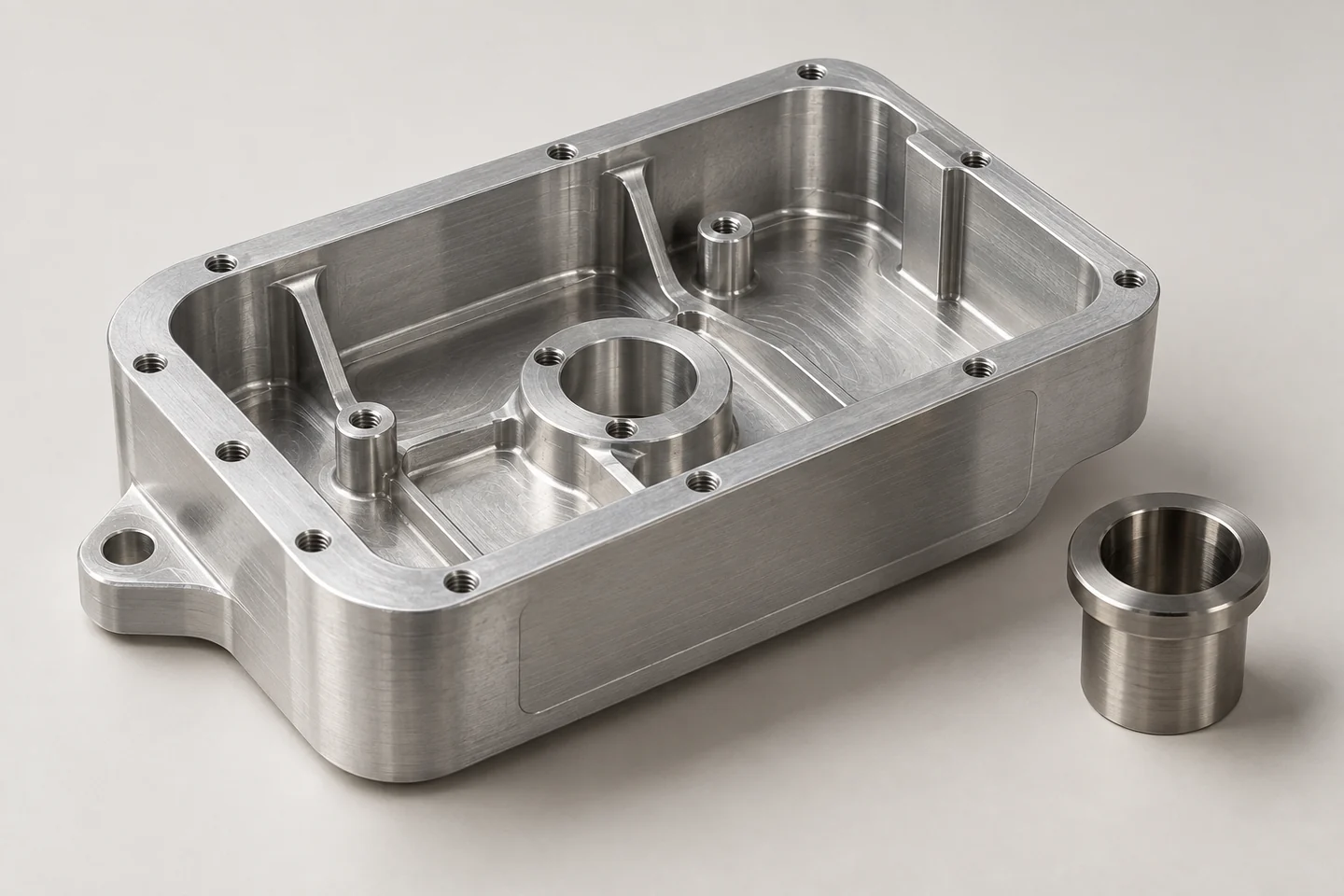
Generated machined geometry reference. It illustrates part types rather than a completed customer project or verified manufacturing capability.
01 / ROUTE SELECTION
CNC machining removes material with controlled tool motion. The practical route depends on the workpiece, reachable features, holding strategy and the relationships the drawing requires.
Consider pockets, slots, planar faces and distributed features. Review tool reach, internal corner radius, setup changes and access to the important interfaces.
Consider rotational diameters, shoulders, bores and grooves. Review functional axis, holding, slender sections and any additional non-rotational features.
A part can need more than one operation. Identify the sequence, datum transfer and final-state checks instead of inferring one universal machine configuration.
| Part need | First review | Useful next page |
|---|---|---|
| Pocket housing or bracket | Internal access, corner radii and held surfaces. | Milling design review |
| Shaft, sleeve or ring | Diameters, axial relationships and bore access. | Turning project review |
| Machined threaded joint | Callout, usable engagement and verification. | Threading requirements |
| Repeat production | Controlled configuration and lot acceptance. | Production handoff |
02 / DESIGN INPUTS
A CAD model defines shape; a drawing can define datums, fits, threads and acceptance. A useful review distinguishes critical interfaces from surfaces that can be simplified.
State units, revision and the governing file if model and drawing differ. Identify unresolved geometry rather than hiding it behind a generic precision request.
Mark deep pockets, narrow slots, internal radii, bores and surfaces obstructed by nearby features. Explain which geometry is functional and which may be changed.
Identify stable locating areas and protected faces. Review how another setup or secondary operation can affect critical relationships.
Show mating parts, fits, threads and sealing or cosmetic areas. Ask for a route that preserves the functional requirement rather than treating all dimensions equally.
03 / MATERIAL & FINISH
Grade, supplied condition, geometry and surface treatment influence both manufacture and acceptance. Define which requirements are mandatory and which alternatives can be evaluated.
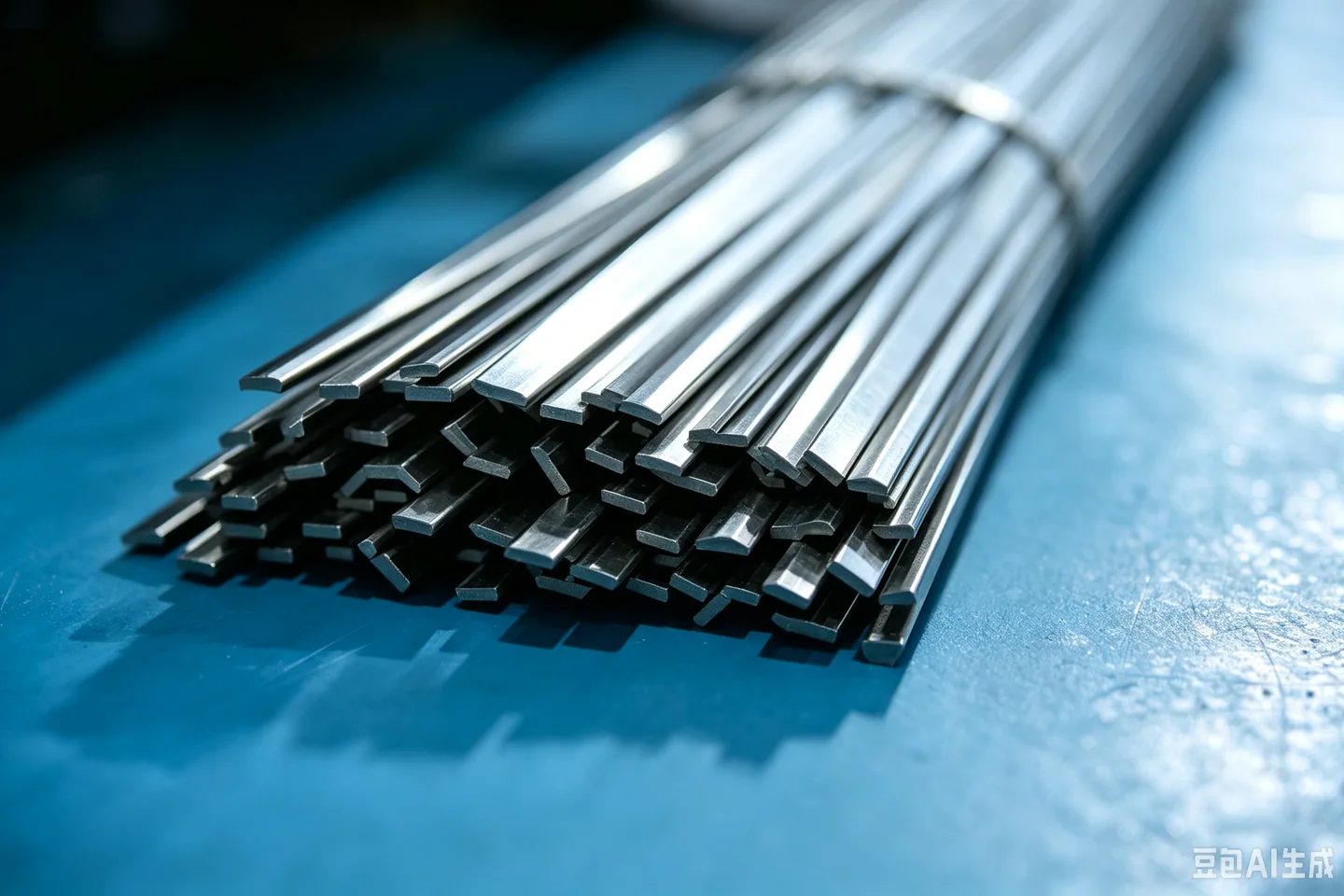
Supplied material-stock reference. It does not establish actual inventory, grade or traceability for your proposed part.
| Decision | Provide | Resolve in the proposal |
|---|---|---|
| Material | Exact grade or formulation and condition if required. | Offered supply, allowed alternatives and supporting records. |
| Treatment | Heat treatment or surface process intent. | Sequence, distortion or dimensional effects and responsibilities. |
| Finish | Functional texture, visible faces and appearance reference. | Measurable or sample-based acceptance and protected areas. |
| Evidence | Material identity, inspection or traceability needs. | Available documents and the scope they cover. |
04 / ACCEPTANCE
Inspection is most useful when it answers the drawing and the assembly requirement. Required methods, sampling, reports and material records belong in the proposal.
Name critical features, reference datums, measurement method and inspection condition. Avoid using a tool readout alone as a universal accuracy claim.
Define visible areas, texture, edges and physical references. Decide which requirements need measurement and which need a controlled appearance comparison.
Specify part and revision identification, material evidence, treatment records and report format where required. Confirm availability for the offered route.
05 / PROJECT PROCESS
A project proposal should explain responsibilities, sample scope, accepted configuration and the milestone assumptions behind price and timing.
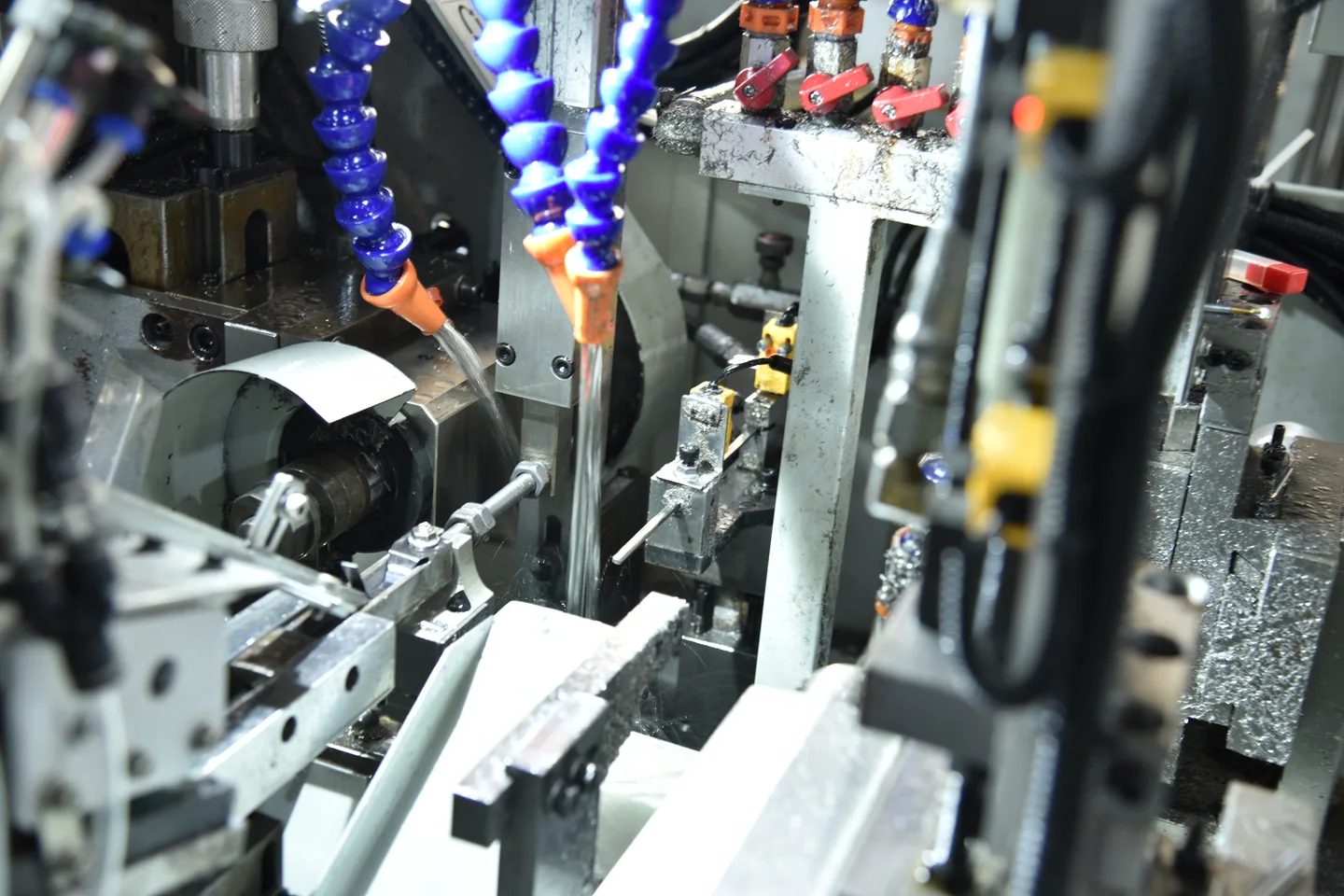
Supplied machining-setup reference. It does not identify a universally used machine or establish that every operation is in-house.
Files, grade, geometry, quantities and unresolved questions.
Responsible route, process scope, samples and commercial items.
Agreed sample checks and documented revision decisions.
Approved configuration, acceptance, records and schedule basis.
Final-state checks, identification, packaging and delivery evidence.
06 / QUOTE PREPARATION
Unit price can conceal different materials, finishing, sample assumptions or inspection. Put those decisions beside quantity before comparing proposals.
Send sample quantity and production quantity separately, with variants and any expected repeats. Include destination and target milestones.
Mark fits, datums, finish, material, treatment and needed documentation. Explain any acceptance or functional assembly check.
Ask for setup, tooling, samples, unit price, finishing, inspection, packaging and transport to be identified where relevant.
Confirm the offered process, material, responsibilities and which approval starts the schedule. Numerical capacities, MOQ and timing require actual proposal confirmation.
07 / QUESTIONS
A clear requirement lets the review focus on useful trade-offs rather than unverified universal specifications.
Describe geometry and function if you are unsure. The review can compare practical routes, including combined operations, without assuming one equipment configuration.
It communicates shape, but may not define datums, fits, threads, finish or inspection intent. Send both where available and state the controlling revision.
These depend on material, geometry, process, finish, inspection and the responsible route. Provide requirements for review; no universal values are published.
This is partner-supported manufacturing. The proposal should identify responsible sites and operation scope rather than implying every process is owned by KeepWin.
Only agreed scope should be assumed. Define sample purpose, quantities, acceptance methods, report and material-record needs before approval.
PREPARE THE NEXT DECISION
Share CAD and drawing revision, material, critical interfaces, finish, sample and production quantities, destination and required evidence.
sales@keepwinco.comAn enquiry starts a team review. Material, fit, quantity, schedule, operation responsibility and supporting records are confirmed in the proposal; this form does not create an order or an instant price.
Start with what you know. Review your details before sending; no account needed.
Start parts inquiry →Your project is saved securely only when submission succeeds.
General material context only; external references do not certify a finished KeepWin product.
Protolabs · manufacturability review context ↗Sandvik Coromant · cavity access and milling route context ↗