
Flat profiles
Review outlines, holes, edge condition and important distances. Define the exact stock and any later forming or surface requirements.
PARTNER-SUPPORTED MANUFACTURING / SHEET PARTS
A flat cut profile, formed bracket and fabricated assembly need different manufacturing and acceptance questions. Connect stock, bends, joints and finish to the delivered interface before comparing offers.
KeepWin coordinates partner-supported review. Exact material, responsible operations, process availability, dimensions, inspection, commercial quantities and timing are confirmed in the project proposal; no universal capability or certification is promised.
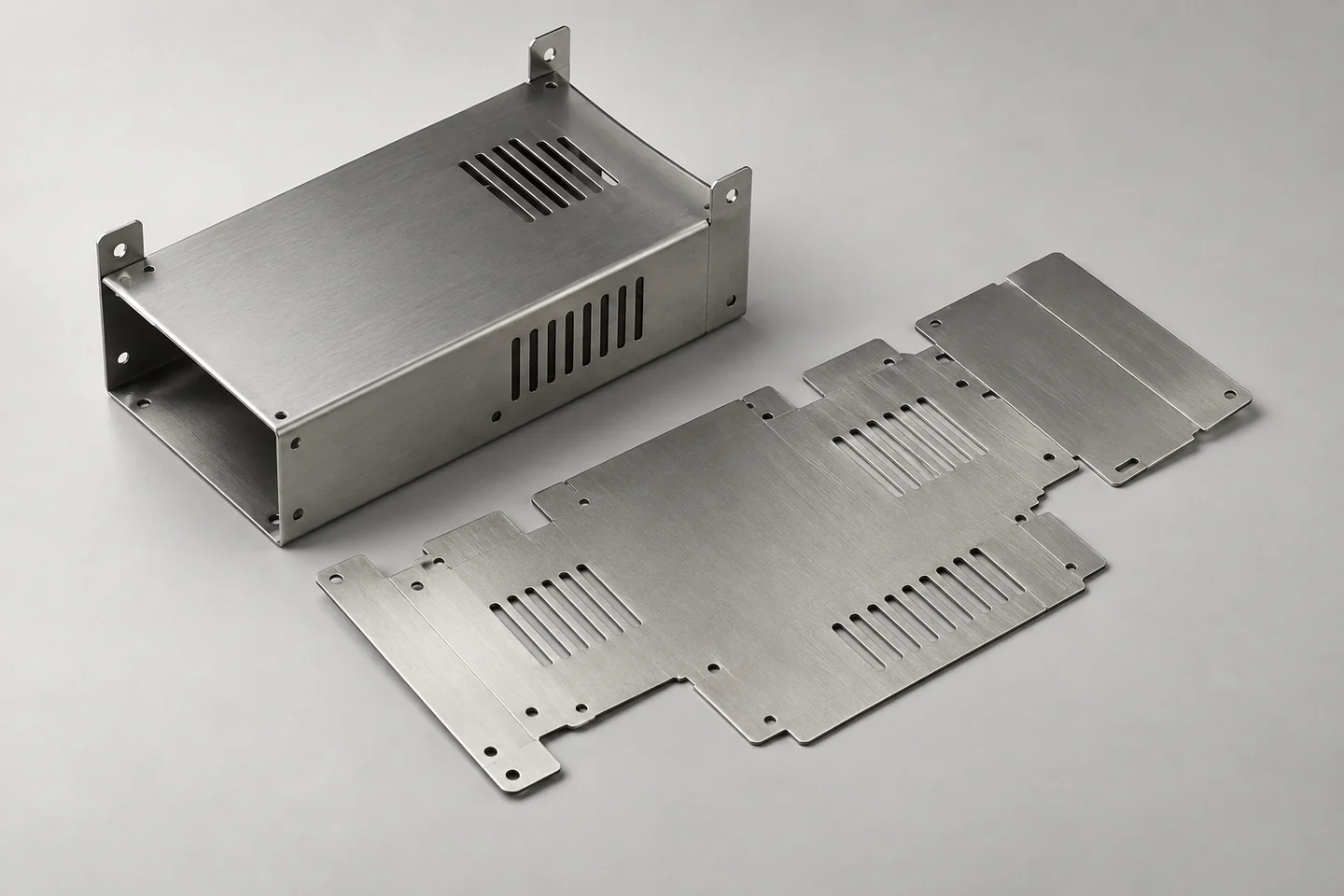
Generated sheet-part geometry reference. It does not establish sheet grade, thickness, measured dimensions or actual fabrication capacity.
01 / ROUTE SELECTION
Begin with function and geometry rather than selecting a cutting label alone. Subsequent forming, joining or coating may define the actual accepted state.
Review outlines, holes, edge condition and important distances. Define the exact stock and any later forming or surface requirements.
Identify flanges, bend relationships and mating interfaces. Review tool access, sequence and final-state dimensions for the actual material.
Provide component definitions and joining intent. Agree locating, fit, finish and responsibility for the assembled result.
02 / DESIGN INPUTS
A flat pattern and a finished drawing answer different questions. State the controlling definition and ask for the route assumptions to be reviewed.
Send units, revision and whether flat or formed geometry governs. Resolve file conflicts before preparation instead of assuming the flat pattern is final.
Mark holes, notches, reliefs and nearby bends. Review interference and distortion questions for the offered stock and tooling.
Show mating components, datums and joint purpose. Ask how the operation chain preserves critical relationships.
Map visible, contact, electrical or sealing-related faces. Confirm permitted marks and any protection needed through processing.
03 / STOCK & FINISH
Alloy family, thickness and finish affect the operation plan. A generic metal description does not control every stock or treatment requirement.
| Decision | Provide | Confirm |
|---|---|---|
| Stock | Exact grade, thickness and supplied condition. | Offered supply and permitted alternatives. |
| Formed state | Bends, datums and critical interfaces. | Tooling approach and final-state checks. |
| Joining | Component map and joint purpose. | Available method and responsible operations. |
| Finish | Surface reference and protected areas. | Compatible process and dimensional effects. |
04 / OPERATION HANDOFF
Different operations may be performed through a partner route. The proposal should explain scope and the conditions passed between them.
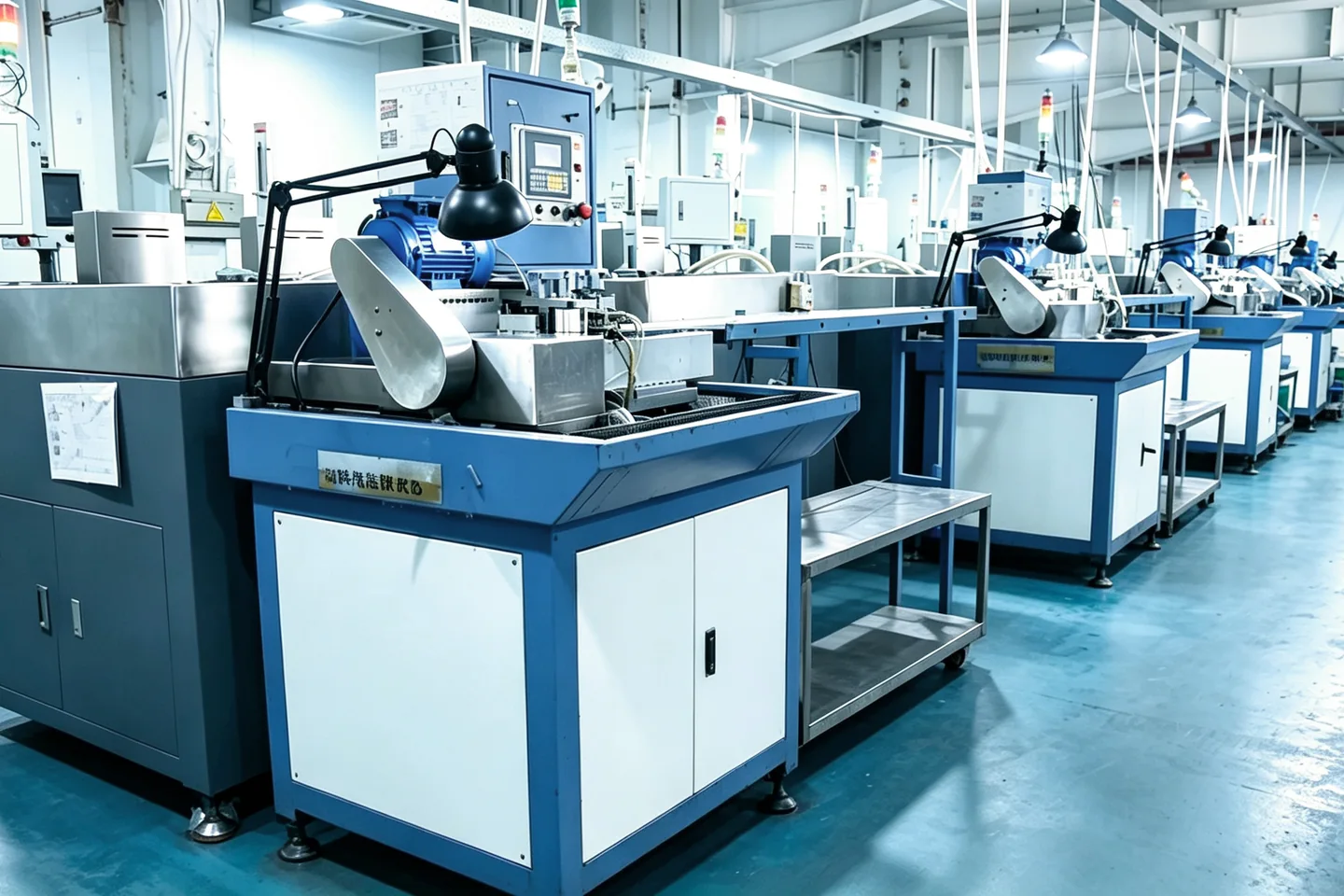
Supplied sheet-cutting equipment reference. It does not identify the machine used for every project or establish universal material and thickness capability.
State relevant burr, sharp-edge and surface limits. Confirm any deburring or refinement included after cutting.
Review access and critical feature relationships after bends. Proposed radius or relief changes need approval where they alter function.
Define which work precedes the final acceptance. A fit checked before joining or coating may not represent the delivery.
Connect stock, files and variants to records where required. Review material or sequence changes against earlier sample evidence.
05 / ACCEPTANCE
Dimensions, edge condition, appearance and material identity are distinct evidence scopes. Agree methods and quantities for the actual delivery.
| Area | Define | Record |
|---|---|---|
| Geometry | Final datums, bend relationships and fits. | Method, sample scope and revision. |
| Edges | Functional edge and burr requirements. | Completed operation and accepted reference. |
| Appearance | Visible faces, texture/color and viewing basis. | Physical sample and finish state. |
| Material | Grade and requested supply evidence. | Identity and applicable record scope. |
06 / QUOTE PREPARATION
A cut blank and a finished assembly are different deliverables. Make secondary operations, evidence and transport assumptions visible.
Send controlled files, material/thickness, quantities, variants, destination and target milestones. Include joint purpose and important final interfaces.
Identify preparation, cutting, forming, joining, finishing, sample work, inspection, records and packing where relevant.
Agree sample purpose, change owner and final-state criteria. Exact capacities, MOQ, available records and timing require proposal confirmation.
07 / QUESTIONS
The final shape, stock and surface state belong in one brief.
Provide the formed or assembled requirement and state file precedence. A flat profile may not explain datums, final fit, joints or finish intent.
These depend on material, geometry, operations and the responsible route. No universal numerical range is published.
Only the agreed work should be assumed. State edge condition, visible faces, protected areas and final acceptance.
Review its effect on shape, interfaces and later work before approving a proposed change.
This is partner-supported review. Responsible operations and actual site scope are confirmed for the proposal.
PREPARE THE NEXT DECISION
Include CAD and drawing, units and revision, material and thickness, bends and joining needs, critical interfaces, surface map, quantities and destination.
sales@keepwinco.comAn enquiry starts a team review. Material, fit, quantity, schedule, operation responsibility and supporting records are confirmed in the proposal; this form does not create an order or an instant price.
Start with what you know. Review your details before sending; no account needed.
Start parts inquiry →Your project is saved securely only when submission succeeds.
General material context only; external references do not certify a finished KeepWin product.
Protolabs - sheet fabrication context ↗