
Bending & transitions
Review bending around the wrist, buckle and watch. Mark areas that feel stiff, fold poorly or concentrate pressure, and consider whether section transitions need refinement.
WATCH BANDS / COMPOUND & WEARING EXPERIENCE
A soft strap is not a complete specification. Review compound, section geometry, buckle and keeper interfaces, color and intended use together so the sample answers the decisions that matter.
FKM, silicone and other options require project review. Family names, hardness and reference photographs do not prove skin-contact suitability, water resistance or finished-strap performance.
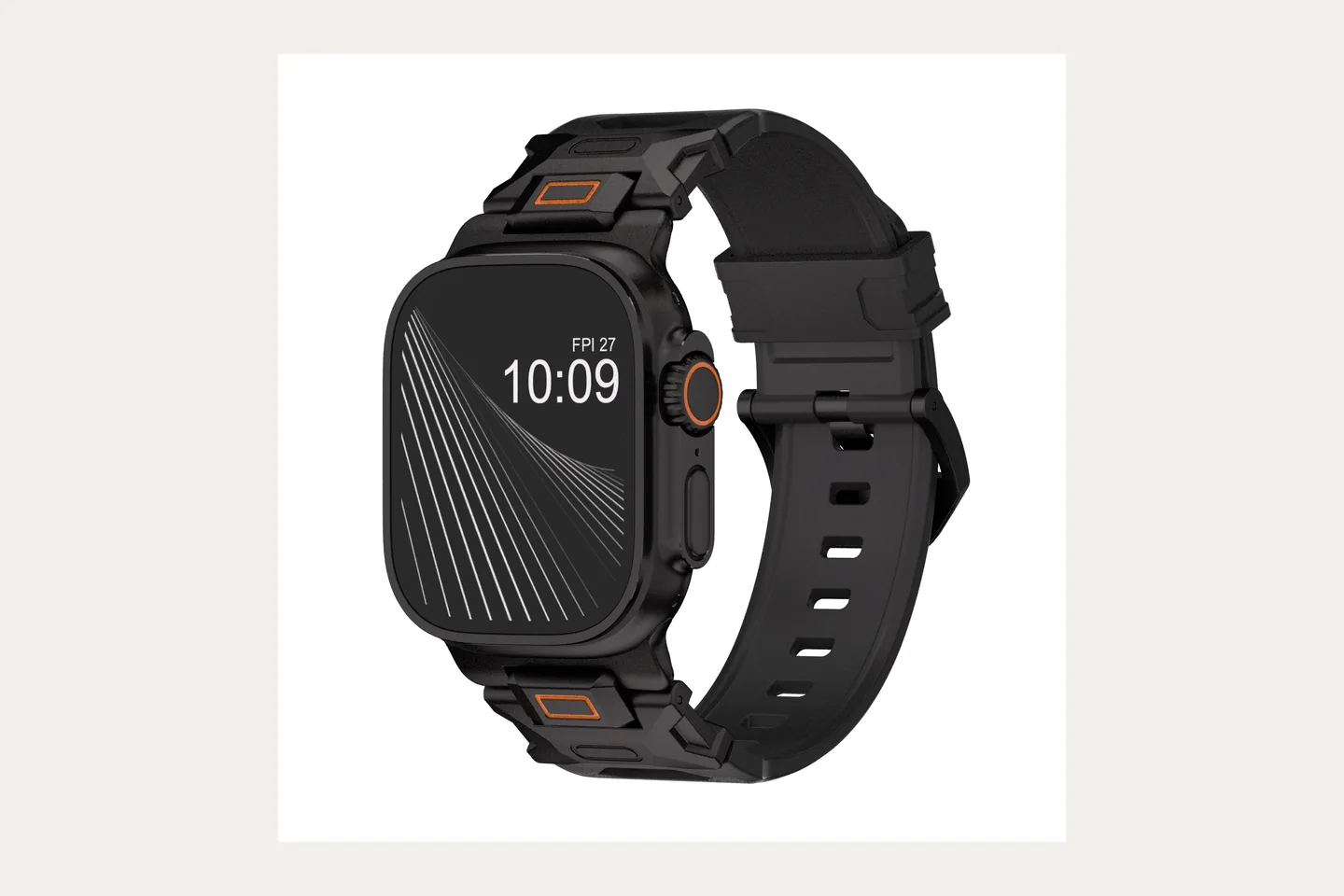
Supplied product reference. It does not establish the exact compound or certify every color and variant.
01 / COMPOUND CHOICE
FKM, silicone and other elastomers are not interchangeable versions of one material. Supplier data helps guide a discussion, while geometry, colorants, processing and exposure still need review.
| Option | Questions to resolve | What cannot be inferred |
|---|---|---|
| FKM formulation | Which actual compound is offered, and which environment is relevant? | A family name does not prove every fluid resistance or finished-strap result. |
| Silicone formulation | What flexibility, surface feel, color and tear-related requirements apply? | Softness alone does not establish durability or wearer suitability. |
| Other elastomer | What is the polymer or compound, and why is it proposed? | A black color or generic rubber label does not establish composition. |
| Alternative formulation | Which requirement improves and which trade-off changes? | Substitution is not automatically acceptable without approval. |
02 / GEOMETRY & COMFORT
Thickness, width, ribs, transitions and attachment geometry interact with the formulation. Evaluate the assembly at intended wearing lengths rather than approving comfort from a material number.
Review bending around the wrist, buckle and watch. Mark areas that feel stiff, fold poorly or concentrate pressure, and consider whether section transitions need refinement.
Define usable wrist range, sizing-hole intent and buckle configuration. Check adjustment with the offered buckle rather than an unrelated fitting.
Review keeper position, tail retention and contact edges. Define underside texture and any areas that can accumulate debris or moisture.
03 / INTERFACE REVIEW
Nominal width is only one input. Strap, connector, buckle, keeper and fastening hardware need a common mating reference and approval scope.
Supply the actual watch or controlled mating information where possible. Review engagement, retention, release, case clearance and movement.
Define buckle geometry, pin arrangement and material. Review insertion through sizing holes and any damage after the agreed sample checks.
Check tail and keeper behavior at both ends of the intended wrist range. Identify interference or poor sitting at these settings.
Agree which parts are user-replaceable and what instructions accompany them. A changed connector or buckle should trigger review of the affected configuration.
04 / COLOR & SURFACE
Texture, molding lines, logo detail and color can differ from a rendering or flat swatch. Specify visible-area acceptance using a complete sample.
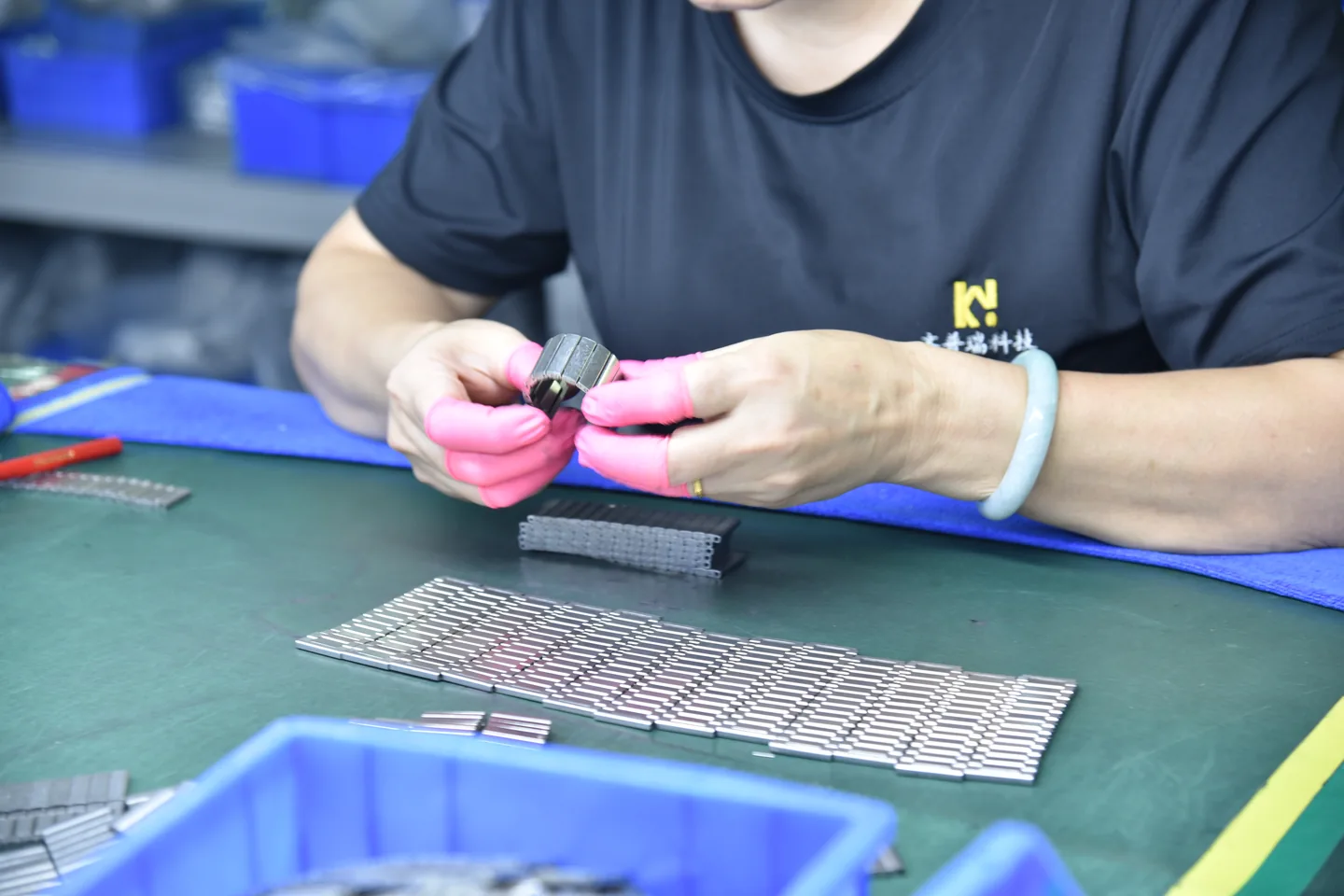
Supplied component-inspection reference. It does not establish a finished-strap test result or universal inspection plan.
| Feature | Define | Review |
|---|---|---|
| Color | Physical reference or agreed color system and variant identity. | Consistency under agreed lighting, including underside and hardware transitions. |
| Texture | Matte, patterned or other surface intent. | Surface feel, texture and permitted marks. |
| Molding detail | Visible areas, parting-line and flash expectations. | Edges and any residue affecting wear or appearance. |
| Branding | Authorized artwork, position and proposed marking method. | Legibility, depth, contrast and surface effects. |
05 / USE & EVIDENCE
Sweat, cleaners, oils, sunlight, temperature and repeated flexing raise different questions. Material compatibility guidance does not establish blanket finished-product claims.
Describe intended use and cleaning, including relevant substances and conditions. Avoid an undefined request for “chemical resistance”.
Identify buyer and destination-market requirements and the evidence requested for all contact materials. A silicone or FKM name is not enough.
Agree relevant retention, buckle-operation or flexing checks with method, thresholds, sampling and records. None is automatically included by this page.
Separate proposed wording from supported product facts. Water-related claims cannot be inferred from polymer family or photographs.
06 / SAMPLE ROUTE
Keep tooling, color, fit and packaging visible in the proposal. Record what each sample represents so a changed decision does not pass unnoticed.
Identify interface, formulation preference, geometry, color and exposure.
Review offered formulation, tooling, responsibilities and evidence.
Check fit, bending, keepers, edges and appearance.
Record changes and the formulation and color scope covered.
Agree quantities, labeling, packaging, acceptance and schedule assumptions.
07 / QUESTIONS
A reference and intended-use description can start the review while formulation and geometry decisions remain open.
There is no universal ranking. Actual formulation, use environment, geometry, surface and required evidence guide selection.
No. Section thickness, geometry, width, texture and the complete watch and buckle configuration also affect wear.
Neither claim is made here. Specify the finished-product requirement and evidence for the actual formulation, hardware and configuration.
Supply a reference and authorized artwork. Offered methods, variant scope, tooling and approval steps require project confirmation.
Reference or drawing, watch interface, wrist range, buckle and keeper intent, formulation preference, color, quantity per variant, target timing and required evidence.
PREPARE THE NEXT DECISION
Send the watch interface, strap style, compound preference if known, color reference and the wearing conditions the sample needs to address.
sales@keepwinco.comAn enquiry starts a team review. Material, fit, quantity, schedule, operation responsibility and supporting records are confirmed in the proposal; this form does not create an order or an instant price.
Start with what you know. Review your details before sending; no account needed.
Start watch band inquiry →Your project is saved securely only when submission succeeds.
General material context only; external references do not certify a finished KeepWin product.
Viton · formulation selection context ↗Viton · environment-specific compatibility guidance ↗