
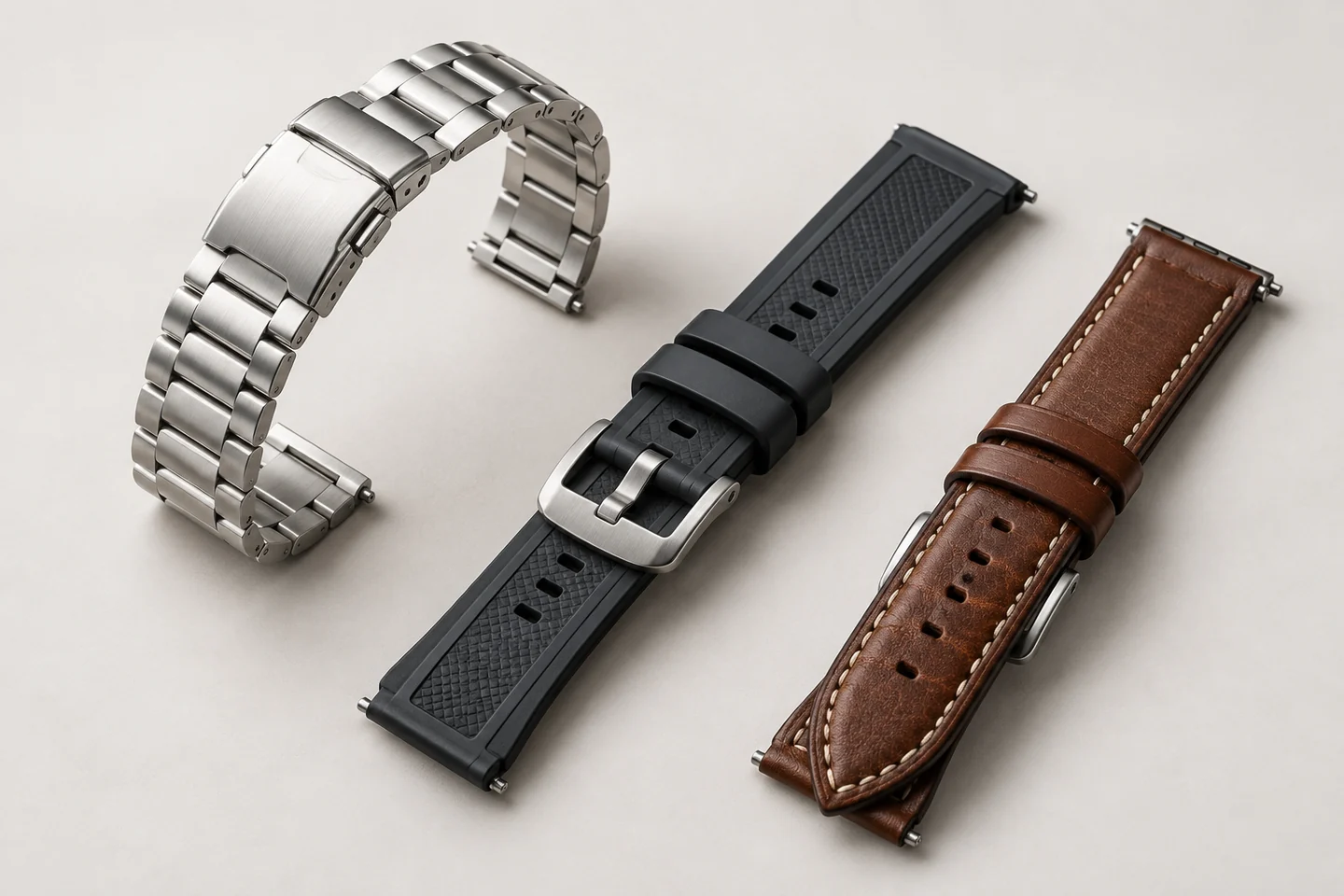
Track what changed between styles, samples and repeat orders without losing the approved baseline.
Give every change an identity
A collection update may involve a small appearance change or a structural revision. Record a change reference, date, owner and reason. Identify the affected style, colorway or component. Avoid descriptions such as latest version when several people may be reviewing files at different times.
Describe the before and after
State the previous requirement and the proposed new requirement. Attach annotated references where useful. Note whether the change affects fit, material, finish, logo, packaging or documentation. The description should allow someone outside the immediate conversation to understand what is being changed and why.
Review the consequences
Ask which samples, tests, quotations and packing instructions need to be updated. A finish change may require a new appearance review; a connector change may require another fit check. Record the agreed checks instead of assuming that a small visual change is always a small production change.
Publish only the approved version
Keep proposed and approved changes distinct. Record the approval decision and the revision that becomes the new baseline. This article is a change-control guide, not a product-release announcement. Any future public collection update should identify the actual available product and avoid implying availability before the project team has confirmed it.