
Connector interface
Identify the actual watch/mating reference and attachment intent. Define the relevant fit and retention questions for the offered configuration.
APPLICATION REVIEW / WATCHES & WEARABLES
A band collection combines the connector, body, closure and finish. Review those interfaces together so a visual direction can become a controlled sample and a clearly specified repeat order.
KeepWin coordinates partner-supported review. Exact material, responsible operations, process availability, dimensions, inspection, commercial quantities and timing are confirmed in the project proposal; no universal capability or certification is promised.
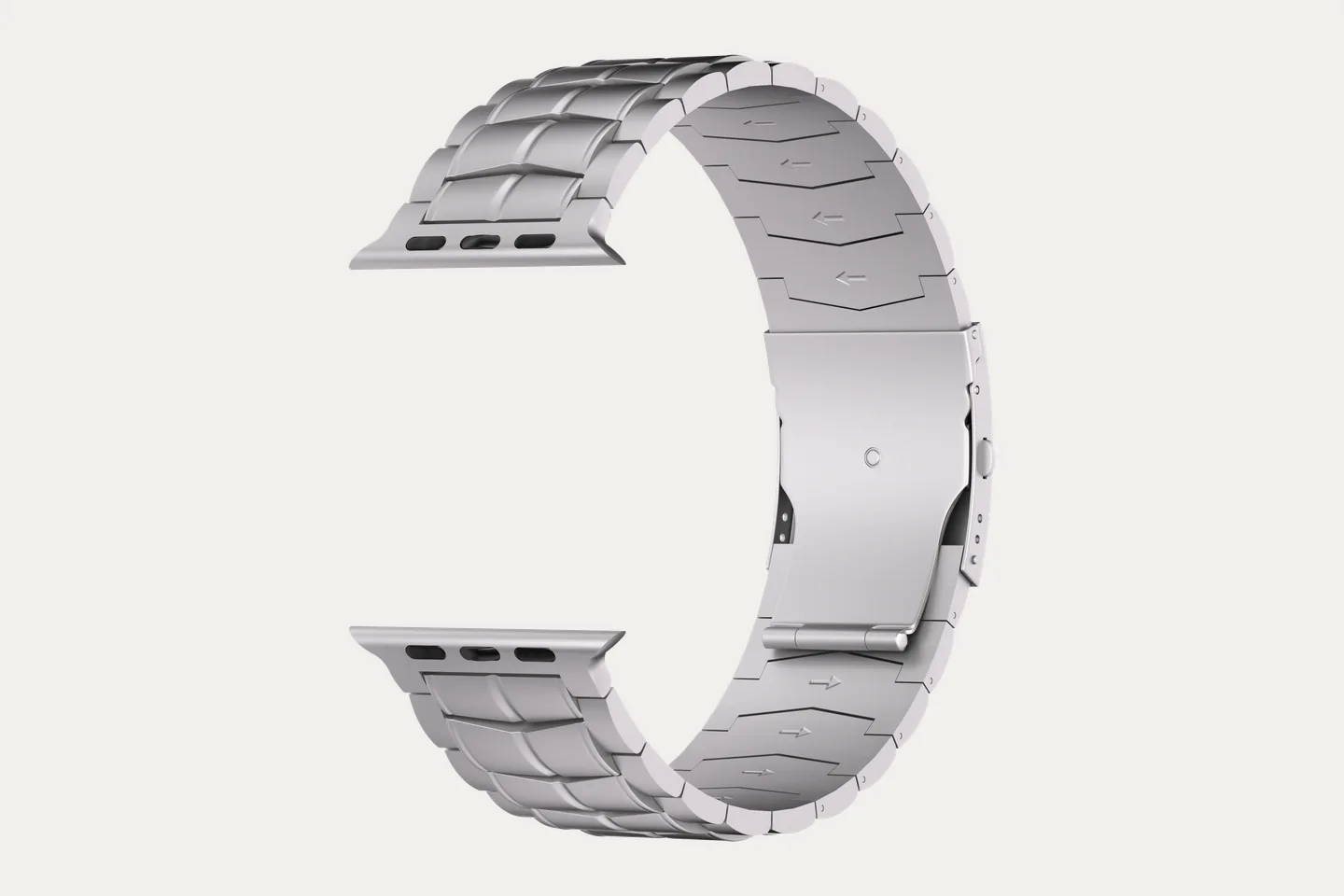
Supplied watch-band product reference. It does not establish compatibility with every watch model or application-specific test results.
01 / COLLECTION STRUCTURE
A collection image can hide different connectors, closures and materials. Build a component map before extending a sample decision across variants.
Identify the actual watch/mating reference and attachment intent. Define the relevant fit and retention questions for the offered configuration.
Show length, section, articulation or flexibility intent and visible surfaces. Exact material and wearing requirements need their own specification.
Name buckle/clasp, keeper, pins, screws or other components. Agree engagement, movement and final assembled condition.
02 / FIT REVIEW
A width alone does not describe every connector shape or mounting relationship. Record the configuration used to check assembly and wearing geometry.
Provide the target model/interface definition or controlled mating sample. Do not infer cross-model compatibility from product appearance.
Mark locating faces, engagement and relevant assembled clearances. Confirm which features and quantities the check represents.
Define size range, articulation or bending intent and edge condition. Any comfort or durability evaluation needs agreed conditions.
Identify adjustment, fastening and movement requirements. A neat photograph does not prove retention or repeated-use performance.
03 / MATERIAL ROUTES
Metal, flexible polymer and leather constructions create different finish and assembly questions. A family name should not conceal the hidden hardware specification.
| Option | Specify | Review |
|---|---|---|
| Metal construction | Grade by component and surface scope. | Articulation, edges and finish interfaces. |
| Flexible construction | Exact formulation/grade and hardness intent. | Section, bending, molding and closure. |
| Leather construction | Layer, surface and hardware definition. | Edges, lining, stitching and reference. |
| Mixed construction | Material boundaries and component supply. | Joining, contact and change responsibility. |
04 / FINISH & ARTWORK
Screen colors and renders do not define an accepted physical finish. Record substrate, treatment and artwork placement beside the variant.
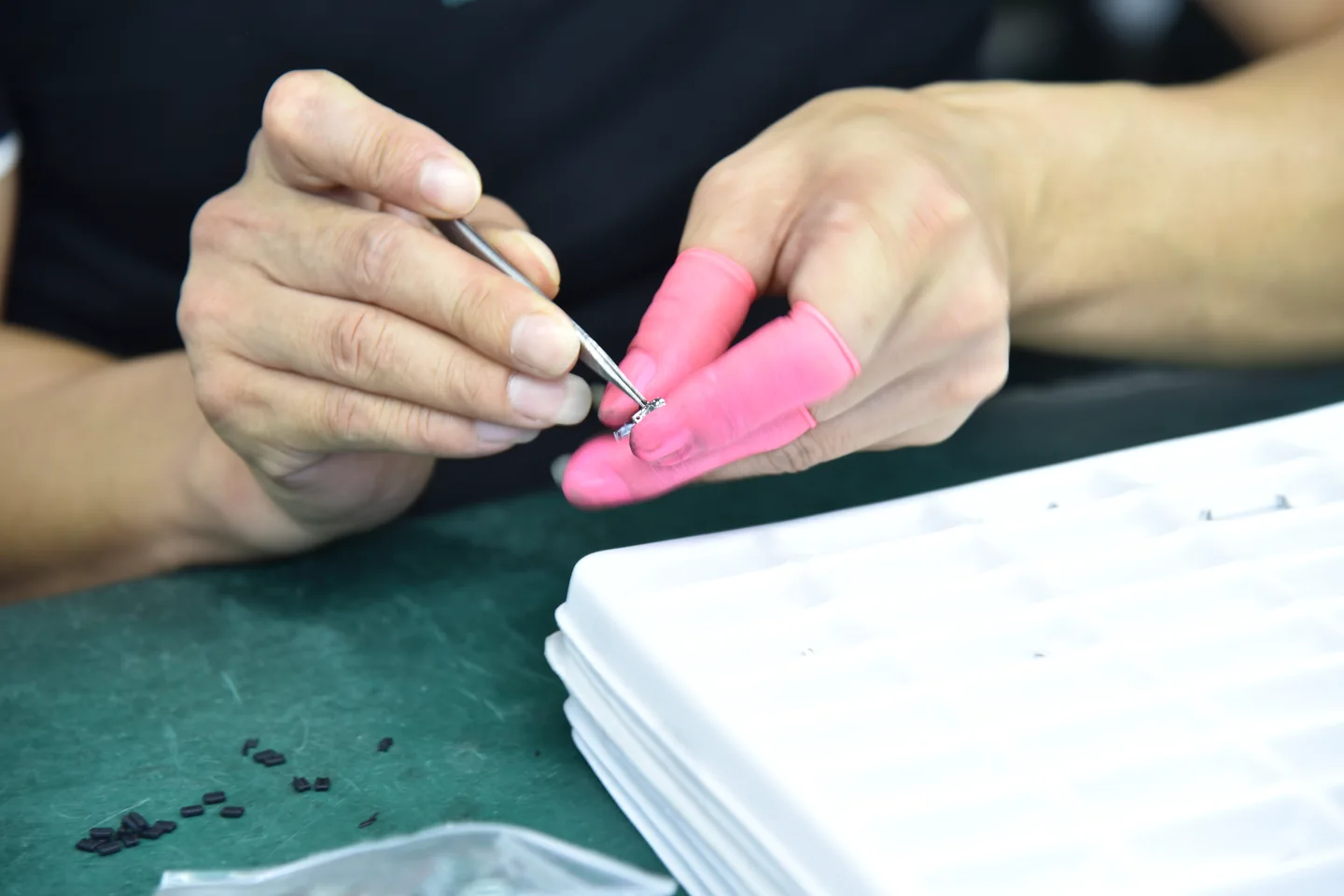
Supplied connector assembly reference, not universal compatibility or retention evidence.
Identify color, texture and viewing basis. Map visible areas and any permitted process traces.
Provide artwork, placement and size intent. Confirm available process and sample appearance without assuming a universal method.
Connect sizes, colors, connectors and closures to distinct quantities and references. State which sample approvals are shared and which are variant-specific.
Define labels, assortment and protection requirements. Confirm that the delivered variant can be matched to the order and approved sample.
05 / APPROVAL EVIDENCE
One sample may answer several questions, but its scope should remain documented. Do not turn visual approval into an unrestricted performance claim.
| Scope | Define | Record |
|---|---|---|
| Fit | Watch reference, connector and assembled condition. | Variant, method and result. |
| Appearance | Faces, artwork and physical finish reference. | Substrate and viewing conditions. |
| Use | Required wear, retention or exposure check. | Conditions, criteria and responsible evaluation. |
| Identity | Component materials and sample revision. | Applicability to ordered variants. |
06 / COLLECTION QUOTATION
An offer should identify component, finish and packing assumptions. Ask for sample and repeat-order scope on the same controlled definition.
Provide watch/interface references, band and closure design, material map, sizes/colors, artwork and variant quantities. Include destination and packing needs.
Identify development/sample work, any tooling, manufacture, hardware, finish, marking, assembly checks and packing. Confirm which references are supplied by the buyer.
Connect repeat orders to approved samples and document changes. MOQ, exact compatibility, process availability and timing are confirmed in the proposal.
07 / QUESTIONS
Connector identity and variant approval belong beside the visual brief.
No universal compatibility is claimed. Supply the target interface or mating reference for review.
No. Define relevant use or exposure checks separately with conditions and criteria.
Appearance depends on substrate and process. Agree how approval applies to each construction and variant.
Yes where relevant. Identify component roles rather than applying the body material description to every pin or clasp.
A controlled variant matrix, approved sample identity, unchanged component/finish specification and explicit change review.
PREPARE THE NEXT DECISION
Include target watch/interface reference, connector dimensions or mating sample, band/closure intent, material and finish map, sizes/colors, artwork, sample criteria, quantities and destination.
sales@keepwinco.comAn enquiry starts a team review. Material, fit, quantity, schedule, operation responsibility and supporting records are confirmed in the proposal; this form does not create an order or an instant price.
Start with what you know. Review your details before sending; no account needed.
Start parts inquiry →Your project is saved securely only when submission succeeds.