
Critical features
Identify functional datums, mating fits and relationships. Give these an acceptance method rather than imposing an undefined “tight tolerance” across every surface.
PARTNER-SUPPORTED MANUFACTURING / PRODUCTION
Move from an approved part to a controlled production proposal. KeepWin helps align revision, material, process route, acceptance and delivery identity so repeat orders are based on a clear configuration.
Production route, lot scope, capacity, inspection, records, MOQ and schedule require project confirmation. A successful sample does not establish unrestricted volume or identical performance for every future lot.
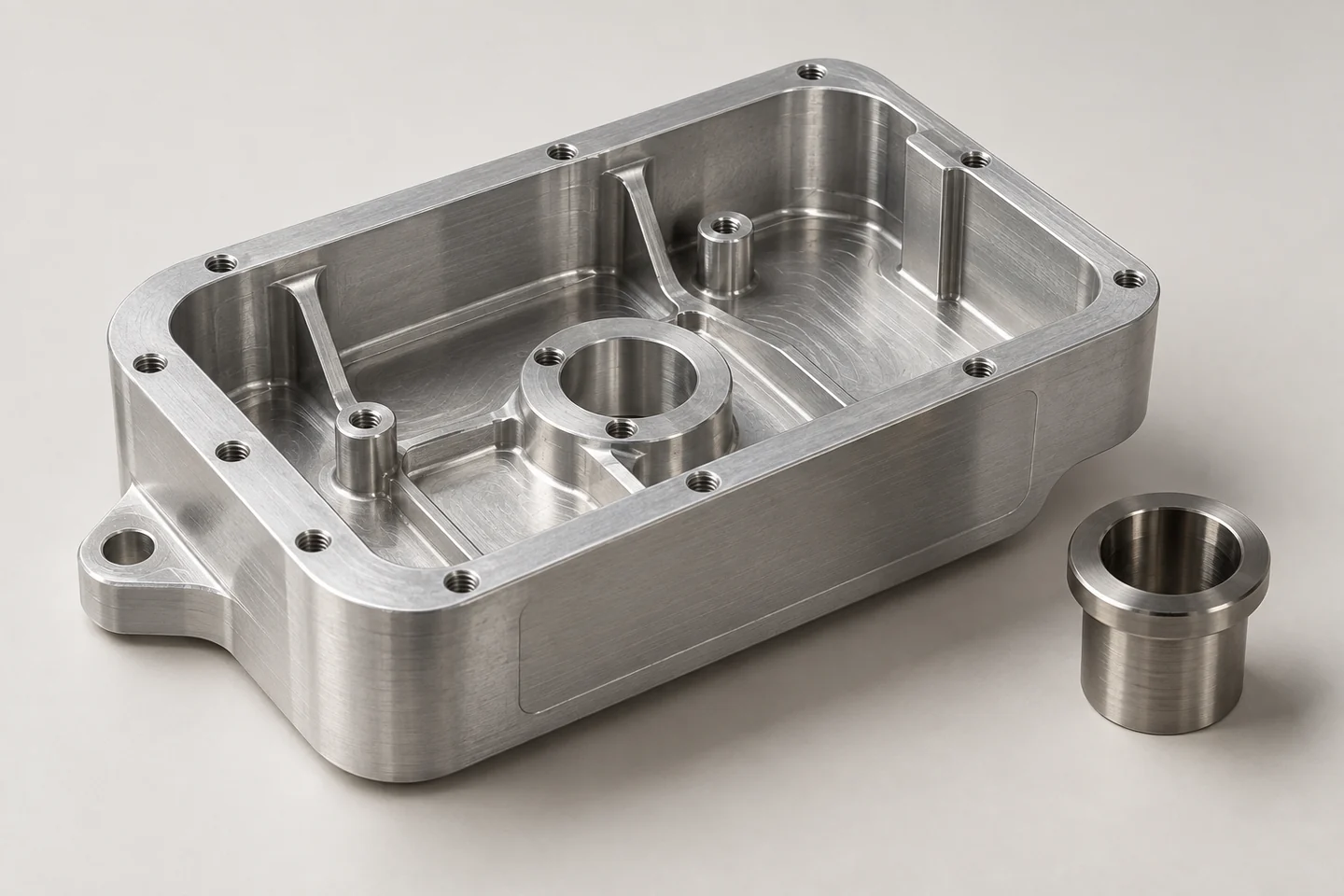
Generated machined-part reference. It is not evidence of an actual production lot, customer project or factory capability.
01 / RELEASE BASIS
A sample can answer a limited question. Before releasing a run, define the configuration and evidence it represents and any differences from the proposed production route.
| Item | Freeze | Resolve before approval |
|---|---|---|
| Design | Controlled model and drawing revision. | Conflicts, changed geometry and open functional questions. |
| Material | Grade or formulation, condition and allowed alternatives. | Required documentation and substitution authority. |
| Finish | Treatment scope and final-state requirements. | Masking, appearance references and dimensional effects. |
| Sample | Identity, checks and accepted features. | Whether it represents the offered process and final configuration. |
| Delivery | Part number, quantity, packing and required records. | Lot identity, destination and discrepancy handling. |
02 / ROUTE CONTROL
Material supply, holding strategy, setups, secondary operations and finishing can influence the final result. The proposal should identify responsible operations without implying a universal in-house route.
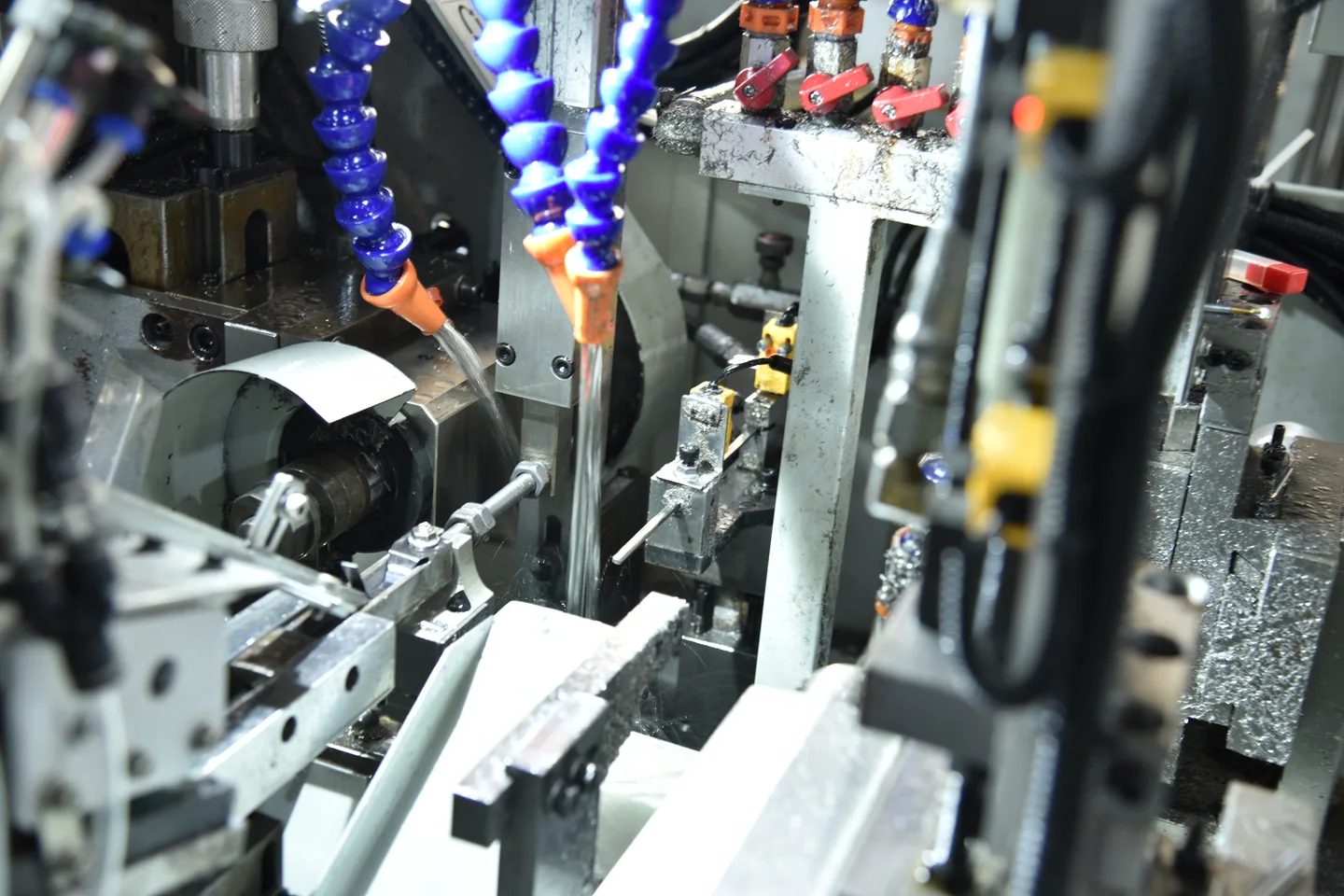
Supplied machining-setup reference. Responsible sites, equipment suitability and actual production route are confirmed for this project.
Identify functional datums, mating fits and relationships. Give these an acceptance method rather than imposing an undefined “tight tolerance” across every surface.
Control grade, supplied condition and any required treatment. Agree what material evidence and lot identity accompany the offered supply route.
Review how locating and clamping preserve important relationships. Identify rework, finishing or assembly operations that affect acceptance.
Name who approves an altered material, operation, finish or component. State which changes require renewed samples, reports or quotation.
03 / PILOT SCOPE
Where an initial production check is needed, agree its purpose and how the decision affects the remainder of the order. It is not automatically included with every project.
Evaluate the final-state features that establish fit and function. Explain whether a mating reference or assembly check is required.
Compare agreed visible areas, texture and color. Record what reference and conditions define acceptance across the run.
Confirm the report, material evidence, identifiers and packaging that will be used for the production delivery.
04 / LOT ACCEPTANCE
A drawing, measurement report and inspection plan answer different questions. Agree critical features, methods, sampling and records against the intended function.
| Area | Decision | Record to request if required |
|---|---|---|
| Dimensions | Datums, critical features and measurement conditions. | Agreed dimensional or first-article report. |
| Sampling | Which features and quantities are checked. | Agreed sampling basis and lot identification. |
| Appearance | Visible surfaces, defects and physical reference. | Appearance approval and any requested inspection evidence. |
| Material / treatment | Grade, condition and documentation needs. | Available records with the agreed traceability scope. |
Do not infer all-piece inspection, a capability study or a certification from the service name. Request the actual scope and confirm feasibility.
Specify whether features are evaluated after finishing, heat treatment or assembly. Agree how nonconforming results and proposed rework are reviewed.
05 / DELIVERY & REPEAT
A repeat order is easier to review when the approved specification, quantity and required evidence remain connected to the delivered part.
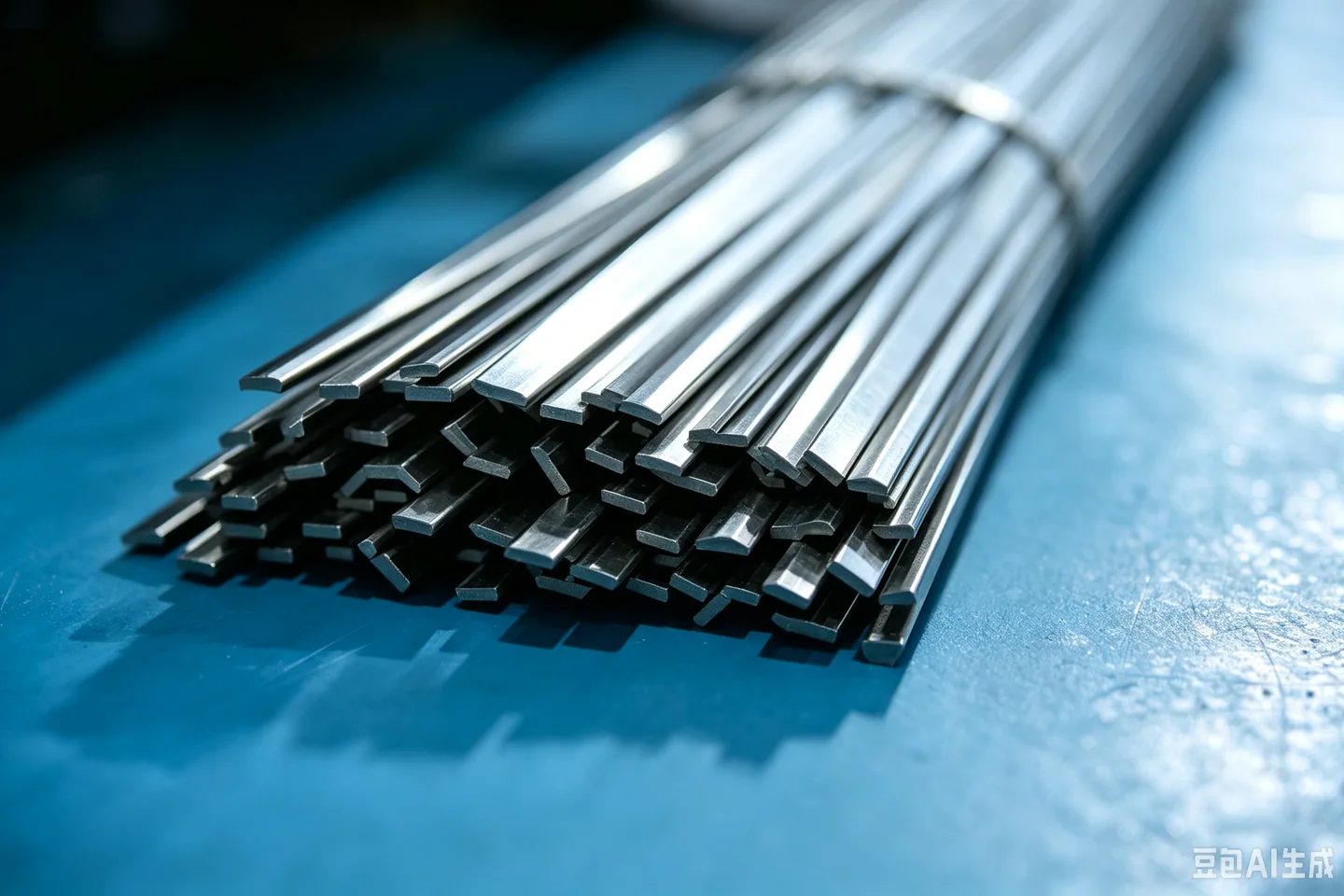
Supplied material-stock reference. It does not demonstrate stock availability, batch traceability or production capacity.
Part number, revision, approved sample and material scope.
Current lot, any staged deliveries and expected repeat pattern.
Route, acceptance, records, packaging and schedule assumptions.
Variant, lot or other agreed identifiers and packing contents.
Record changed requirements and confirm whether earlier approvals remain applicable.
06 / QUOTE FACTORS
A production quotation should make setup, samples, finishing, inspection, documentation, packaging and transport visible where relevant.
Send the controlled files, grade, condition, sample quantity and production quantity. Separate variants and any staged delivery requirement.
Specify critical dimensions, final-state finish, required records and approval checks. Explain any special traceability or packaging need.
Ask what is included and which milestone starts the schedule. Identify tooling or setup terms and the process for changed quantities or specifications.
07 / QUESTIONS
Keep the production commitment tied to an approved configuration and the actual proposed route.
No. Define what the sample represents and the production controls, acceptance and change review needed for future lots.
A rendering can communicate intent, but controlled geometry, material, finish and acceptance requirements are needed before a production basis is approved.
No blanket inspection scope is implied. Agree features, methods, quantities, sampling and records in the proposal.
The change needs review and approval. Confirm whether samples, inspection records, appearance or quotation assumptions must be revised.
These are project-specific proposal items. State quantities, variants, repeat pattern and timing for the responsible supply route to review.
PREPARE THE NEXT DECISION
Share CAD and drawing revision, sample record, quantities, material and finish, critical features, required records and expected repeat-order pattern.
sales@keepwinco.comAn enquiry starts a team review. Material, fit, quantity, schedule, operation responsibility and supporting records are confirmed in the proposal; this form does not create an order or an instant price.
Start with what you know. Review your details before sending; no account needed.
Start parts inquiry →Your project is saved securely only when submission succeeds.
General material context only; external references do not certify a finished KeepWin product.
Protolabs · manufacturability and production review context ↗