
Sealing intent
Provide mating geometry, compression or movement and the medium or environment involved. A silicone ring shape alone does not establish a leak-tight result.
PARTNER-SUPPORTED MANUFACTURING / SILICONE MOLDING
A silicone part needs more than a hardness or material-family name. Define contact surfaces, deformation, processing and the evidence relevant to the intended use before approving the offered molding route.
KeepWin coordinates partner-supported review. Exact material, responsible operations, process availability, dimensions, inspection, commercial quantities and timing are confirmed in the project proposal; no universal capability or certification is promised.
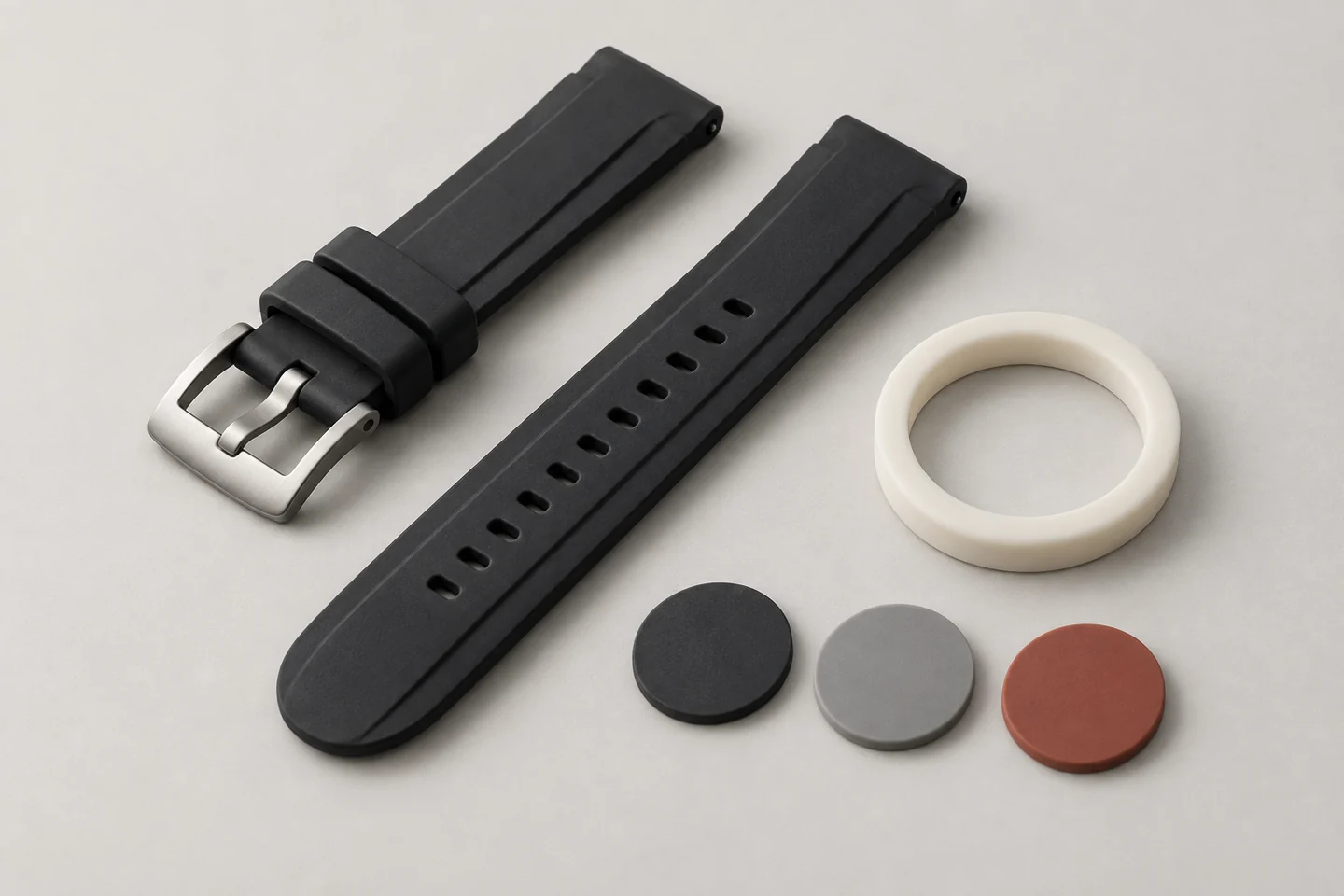
Generated elastomer design references, not a verified LSR formulation, tested seal, contact-suitable component or actual molding job.
01 / APPLICATION
Seals, soft interfaces and handling components can require different evidence. Explain what the part must do and where it is used.
Provide mating geometry, compression or movement and the medium or environment involved. A silicone ring shape alone does not establish a leak-tight result.
Describe deflection, recovery, contact duration and repeat use. Review exact formulation and section rather than using hardness as the only performance requirement.
Name the actual contact application and required documents. No medical, food-contact, skin-contact or other suitability is assumed from the silicone family.
02 / GEOMETRY & RELEASE
Molded dimensions, deformed dimensions and assembled behavior are different questions. Give the review enough context to connect them.
Send units, revisions, nominal shape and critical interfaces. State whether checks occur in the free or assembled condition.
Map edges, thin regions and surfaces where flash or trimming could affect function. Confirm proposed tool and final-edge acceptance.
Show contact faces and imposed movement or compression. Define the assembly reference and any evaluation method needed.
Identify undercuts, parting preferences and important surfaces. Proposed geometry or tooling changes require documented approval.
03 / MATERIAL IDENTITY
Liquid silicone products can differ in processing and properties. Ask which exact offered material and evidence answer the requirement.
| Decision | Provide | Confirm |
|---|---|---|
| Formulation | Exact product or required application properties. | Actual supply and permitted alternatives. |
| Hardness | Requirement with method and condition where relevant. | Applicable material data and part evaluation. |
| Processing | Delivered condition and evidence needs. | Material-specific cure and any post-processing. |
| Documentation | Required contact or application records. | Exact formulation, scope and relevance. |
04 / PROCESSING HANDOFF
Material-specific processing, trimming and other completion steps must be confirmed for the responsible route.
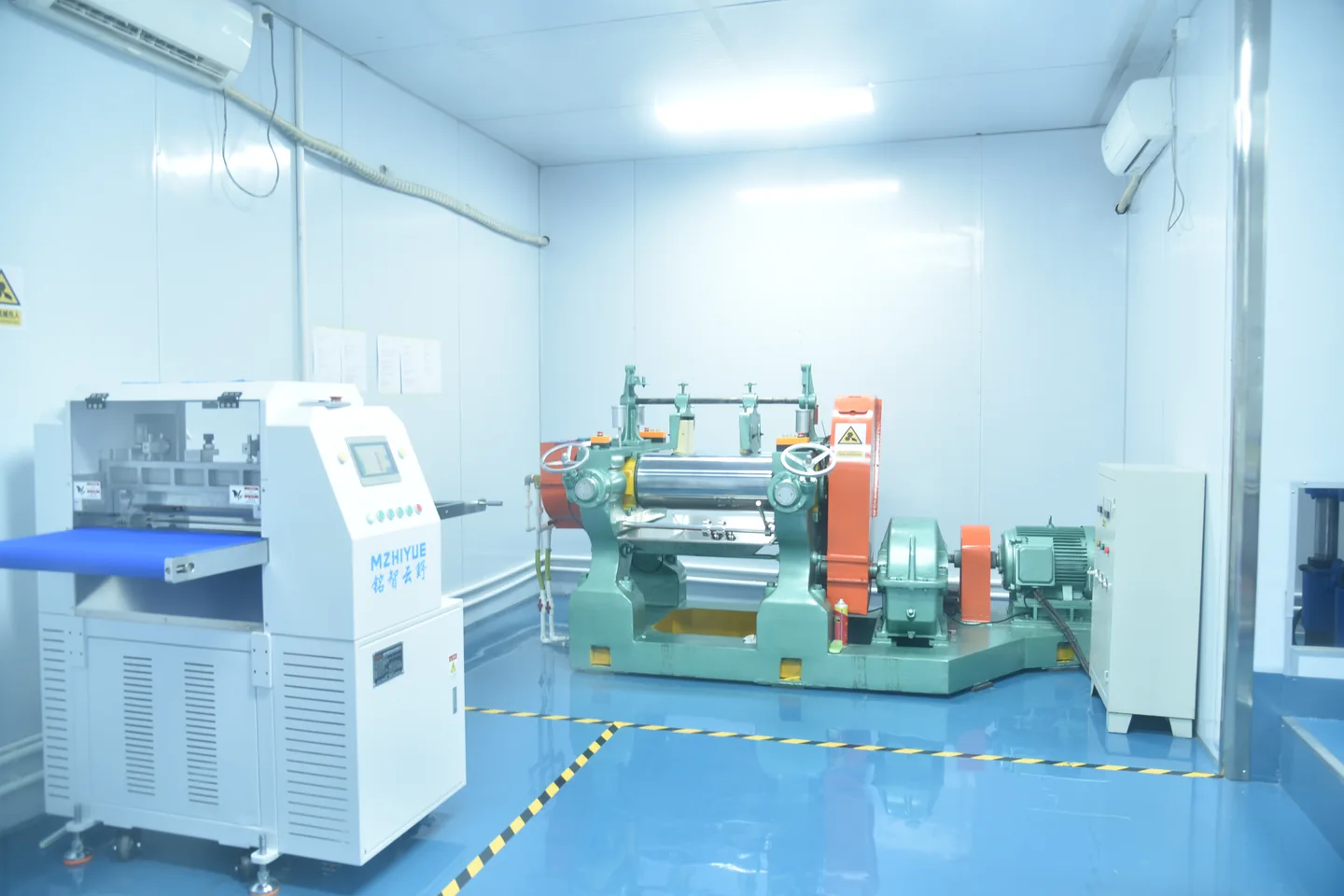
Supplied rubber-processing-area reference. It does not verify the exact LSR route, equipment ownership, contact suitability or formulation used for this proposal.
Ask what completion applies to the selected formulation. Some material claims depend on specified conditions; no universal post-cure requirement or exemption is asserted here.
Agree flash, trimming and visible-area limits. Mark functional edges and contacts that must be preserved through completion.
State relevant cleanliness, packing or segregation needs. Availability and scope require confirmation rather than a blanket handling promise.
Review substitutions, colors and processing changes for their effect on geometry, contact use and earlier sample evidence.
05 / ACCEPTANCE
The sample should address defined geometry, material condition and use. A flexible-looking image is not an application test.
| Area | Define | Record |
|---|---|---|
| Dimensions | Free or assembled state, datums and method. | Drawing and sample scope. |
| Deformation | Movement, recovery or compression condition. | Exact material and evaluation basis. |
| Contact duty | Relevant sealing or exposure method if required. | Criterion, condition and responsibility. |
| Appearance | Edges, flash, visible surfaces and reference. | Finished sample and viewing basis. |
06 / QUOTATION
Tooling, samples, completion, records and packing can change the offer. Keep the represented material and approval basis visible.
Send files, exact formulation or use needs, critical interfaces, contact conditions, quantities, variants and destination. Include mandatory evidence.
Identify tooling, samples, molding, trimming, required processing, inspection and documents where relevant. Confirm who performs each operation.
Define the sample and evidence approval needed before repeat delivery. MOQ, capacity, certifications and timing require actual proposal confirmation.
07 / QUESTIONS
Use the exact formulation and processed state to guide the review.
No. Define the actual use and request evidence applicable to the exact formulation, processing and delivered component.
Not by itself. Geometry, contact conditions, formulation and the agreed application evaluation matter.
No universal rule is published here. Confirm material-specific completion and the evidence needed for the chosen use.
No generic result is claimed. Mark functional surfaces and agree tooling, trimming and final-edge acceptance.
Only through agreed review of processing, geometry, contact needs and earlier evidence.
PREPARE THE NEXT DECISION
Include CAD and drawing, exact formulation or application needs, hardness if required, mating geometry, deflection or sealing intent, processing evidence, quantities and destination.
sales@keepwinco.comAn enquiry starts a team review. Material, fit, quantity, schedule, operation responsibility and supporting records are confirmed in the proposal; this form does not create an order or an instant price.
Start with what you know. Review your details before sending; no account needed.
Start parts inquiry →Your project is saved securely only when submission succeeds.
General material context only; external references do not certify a finished KeepWin product.
Wacker - liquid silicone material context ↗Wacker - formulation-specific post-curing context ↗