
Structural connection
Describe load path, mounting and relevant use conditions. Required joining method and application evidence need explicit review.
PARTNER-SUPPORTED MANUFACTURING / JOINED SHEET PARTS
A set of cut or formed components is not yet an accepted assembly. Connect joint purpose, component identity, locating, surface work and final checks before selecting the responsible fabrication route.
KeepWin coordinates partner-supported review. Exact material, responsible operations, process availability, dimensions, inspection, commercial quantities and timing are confirmed in the project proposal; no universal capability or certification is promised.
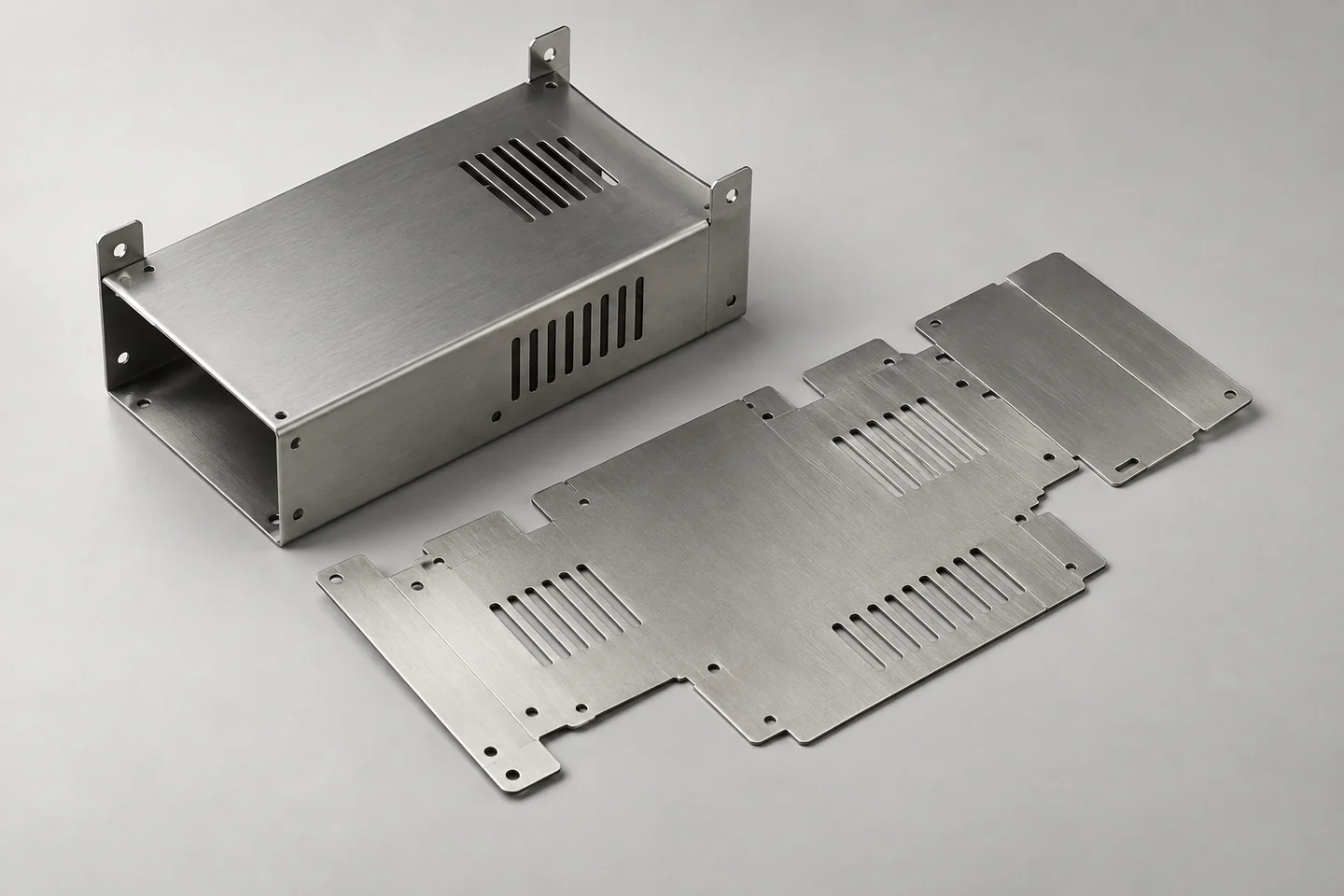
Generated sheet-part geometry reference. It does not establish sheet grade, thickness, measured dimensions or actual fabrication capacity.
01 / ASSEMBLY PURPOSE
Location, load transfer, sealing-related use and disassembly have different questions. A joint drawn in CAD is not performance evidence.
Describe load path, mounting and relevant use conditions. Required joining method and application evidence need explicit review.
Map mating surfaces, access and visible seams. Define final fit, appearance and any sealing-related requirement separately.
Identify parts that may be removed or replaced and the fastening intent. Agree component access and the checked assembled configuration.
02 / JOINT & SEQUENCE
Several operations can change component position or final surface state. Give the route a clear reference and acceptance point.
Provide every part revision, stock specification and quantity in the assembly. Resolve conflicting models or drawings before release.
Mark datums, mating features and critical assembled relationships. Ask how the proposed route holds and checks the required configuration.
Show joint locations, nearby features and protected faces. Actual joining or fastening feasibility requires review for the stock and geometry.
Define which forming, joining, surface work and assembly steps precede final checks. A fit measured before later operations may not represent delivery.
03 / METHOD COMPARISON
Fasteners, inserted hardware or a reviewed joining operation can create different access, appearance and evidence needs. No universal method availability is promised.
| Route | Review | Acceptance question |
|---|---|---|
| Mechanical fastening | Component identity, engagement and service access. | Does the final assembly meet the interface purpose? |
| Inserted hardware | Stock, location and retained feature duty. | Which final-state position and functional checks apply? |
| Joining operation | Materials, joint design and responsible process. | What evidence supports the specified use? |
| Hybrid assembly | Multiple materials or methods and handoffs. | Who approves the complete final configuration? |
04 / RESPONSIBILITIES
The offer should explain who supplies, joins, finishes and accepts the assembly. A fabrication page does not imply every operation is in-house.
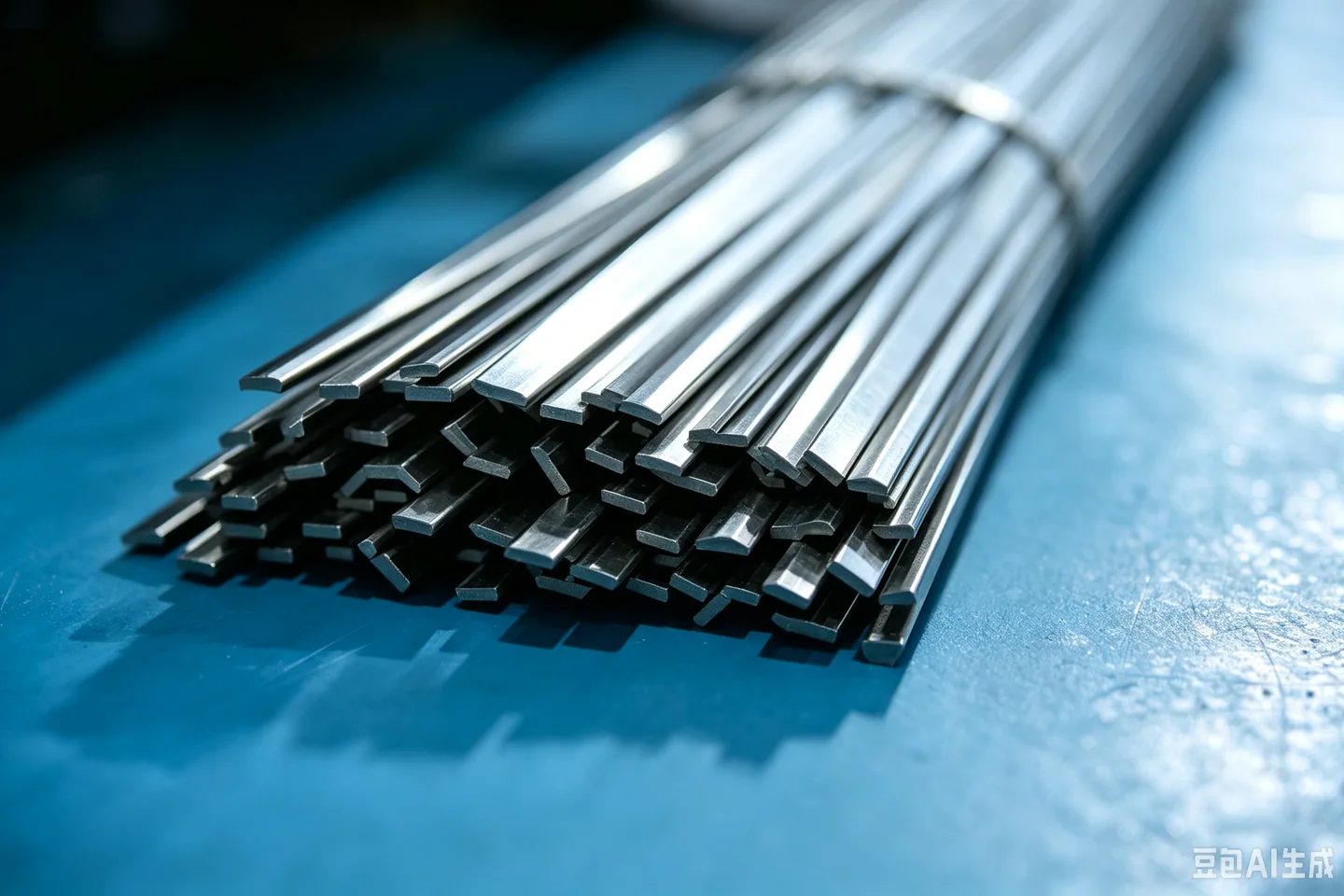
Supplied metal-stock reference, not the verified grade for this assembly or proof of a qualified joining operation.
Agree incoming part identity, condition and evidence. Confirm how unsuitable or changed components are handled before joining.
Name the proposed operation chain and relevant site responsibilities. Required qualification or certification needs applicable evidence, not a generic statement.
Map functional and cosmetic faces through joining and finishing. Define permitted traces and any included refinement.
Agree nonconformance review, rework and substitution approval. Keep component and assembly revisions linked to the accepted sample.
05 / FINAL ACCEPTANCE
Component measurements, joint appearance and complete assembly function have distinct scopes. Agree methods and coverage for the delivery.
| Area | Define | Record |
|---|---|---|
| Fit | Assembled datums, interfaces and mating reference. | Method, state and revision. |
| Joint purpose | Relevant functional or application check. | Criterion, condition and responsibility. |
| Appearance | Seams, visible faces and permitted traces. | Reference and viewing basis. |
| Identity | Component set, quantity and lot scope. | Required records and sampling. |
06 / QUOTATION
Two offers may differ in component supply, joint method, finish or acceptance. Show those items beside quantity.
Send assembly and component files, materials, joint purpose, final fits, surface map, variants, quantities and destination.
Identify component preparation, forming, hardware, joining, finish, assembly, inspection and packing where relevant. Confirm supply and defect assumptions.
Agree sample scope, change owner and final-state acceptance. Capabilities, qualification, minimum quantities and timing are actual proposal items.
07 / QUESTIONS
Provide both component definitions and the complete interface requirement.
No universal process list is promised. Materials, joint design, access and responsible route require confirmation.
Incoming identity, condition, quantities, responsibility and acceptance must be agreed for the project.
No. Define the use and any relevant method, criterion and evidence.
They cover their agreed scope. Important assembled relationships may need final-state checks after relevant operations.
State the approval owner and review its effect on assembly fit, finish and earlier evidence before release.
PREPARE THE NEXT DECISION
Include component and assembly drawings, materials/thicknesses, joint intent, datums, critical fits, protected surfaces, appearance, quantities and destination.
sales@keepwinco.comAn enquiry starts a team review. Material, fit, quantity, schedule, operation responsibility and supporting records are confirmed in the proposal; this form does not create an order or an instant price.
Start with what you know. Review your details before sending; no account needed.
Start parts inquiry →Your project is saved securely only when submission succeeds.
General material context only; external references do not certify a finished KeepWin product.
Protolabs - sheet fabrication context ↗