
Final flat profiles
Mark locating edges, holes and openings. Define functional edge condition and important relationships from an agreed datum.
PARTNER-SUPPORTED MANUFACTURING / CUT PROFILES
A cut outline needs a material, controlled feature geometry and an accepted edge condition. Include subsequent forming or finish questions so the offered cut part supports the actual assembly.
KeepWin coordinates partner-supported review. Exact material, responsible operations, process availability, dimensions, inspection, commercial quantities and timing are confirmed in the project proposal; no universal capability or certification is promised.
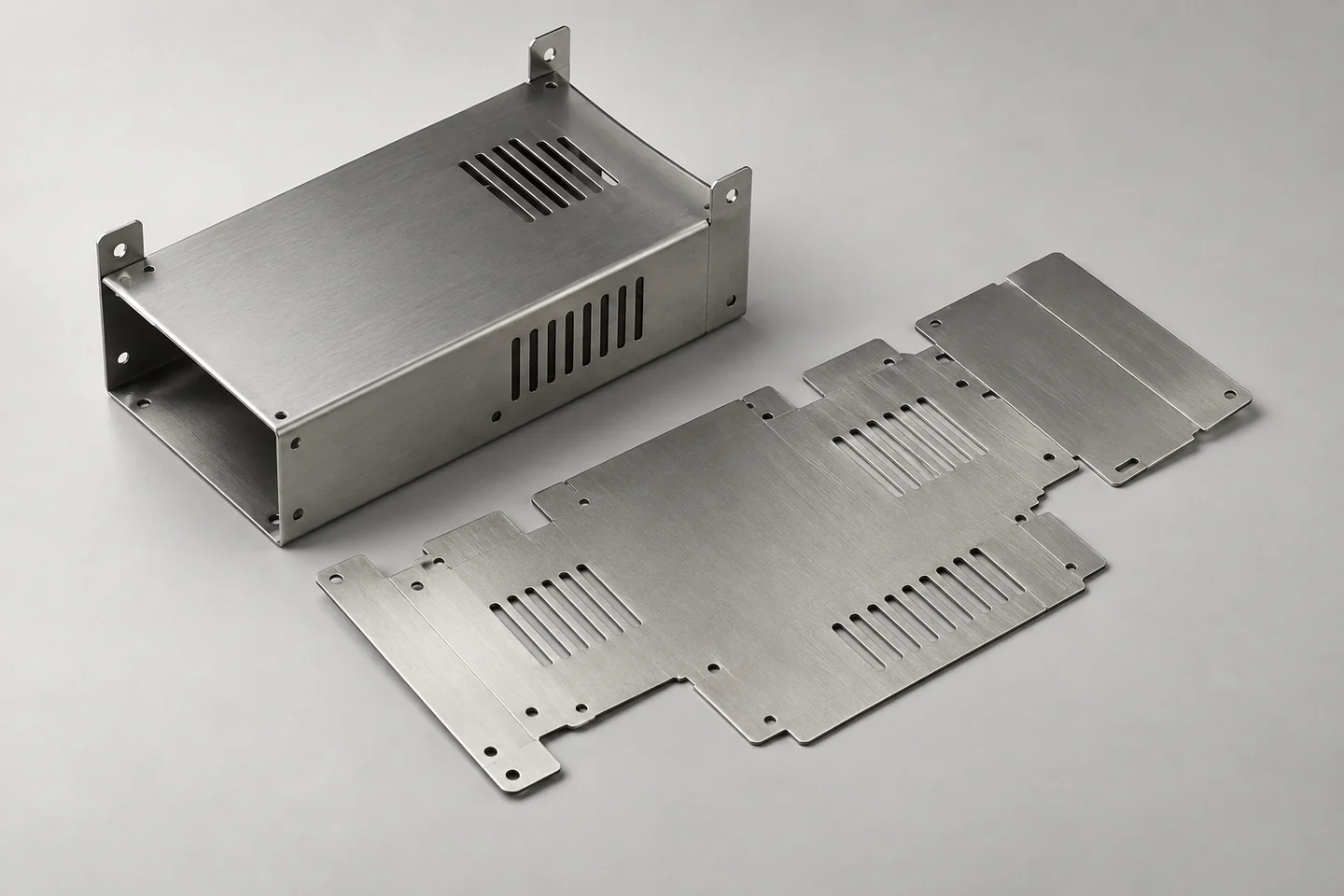
Generated sheet-part design reference, not an actual finished sample, measured result or verified equipment capability.
01 / PROFILE PURPOSE
A blank, final flat component and later formed part may need different acceptance. Explain which geometry and edges govern the delivered result.
Mark locating edges, holes and openings. Define functional edge condition and important relationships from an agreed datum.
Send the final formed requirement alongside the profile. Review preparation assumptions, bend regions and feature relationships before release.
Map appearance and contact areas. State edge refinement and surface requirements rather than inferring them from the cutting process name.
02 / FEATURE REVIEW
Material and thickness affect the offered route. Small openings, narrow connections and close features need project-specific review.
State units, revision and governing model or drawing. Ensure the outline, holes and any duplicate or conflicting geometry are resolved before preparation.
Identify the features controlling fit and the relevant references. Do not treat every profile edge as equally critical without explaining function.
Highlight small openings, thin tabs and nearby cut paths. Review feasibility and permitted changes without assuming one universal minimum value.
Identify visible faces, supplied finish and any direction-related requirement. Confirm protection and accepted surface condition through later work.
03 / STOCK & ROUTE
A metal family and a sheet photograph are not a complete stock specification. Confirm the actual supplied condition and responsible process.
| Input | Provide | Confirm |
|---|---|---|
| Grade | Exact material or approved alternatives. | Offered stock and identity records. |
| Thickness | Required nominal specification and acceptance. | Available supply and reviewed route. |
| Surface | Supplied finish and important faces. | Protection and later refinement. |
| Later work | Forming, joining, hardware or coating. | Sequence, responsibility and final checks. |
04 / EDGE COMPLETION
Burr, sharpness, texture and later preparation need their own scope. A smooth-looking image does not define a functional or measured edge criterion.
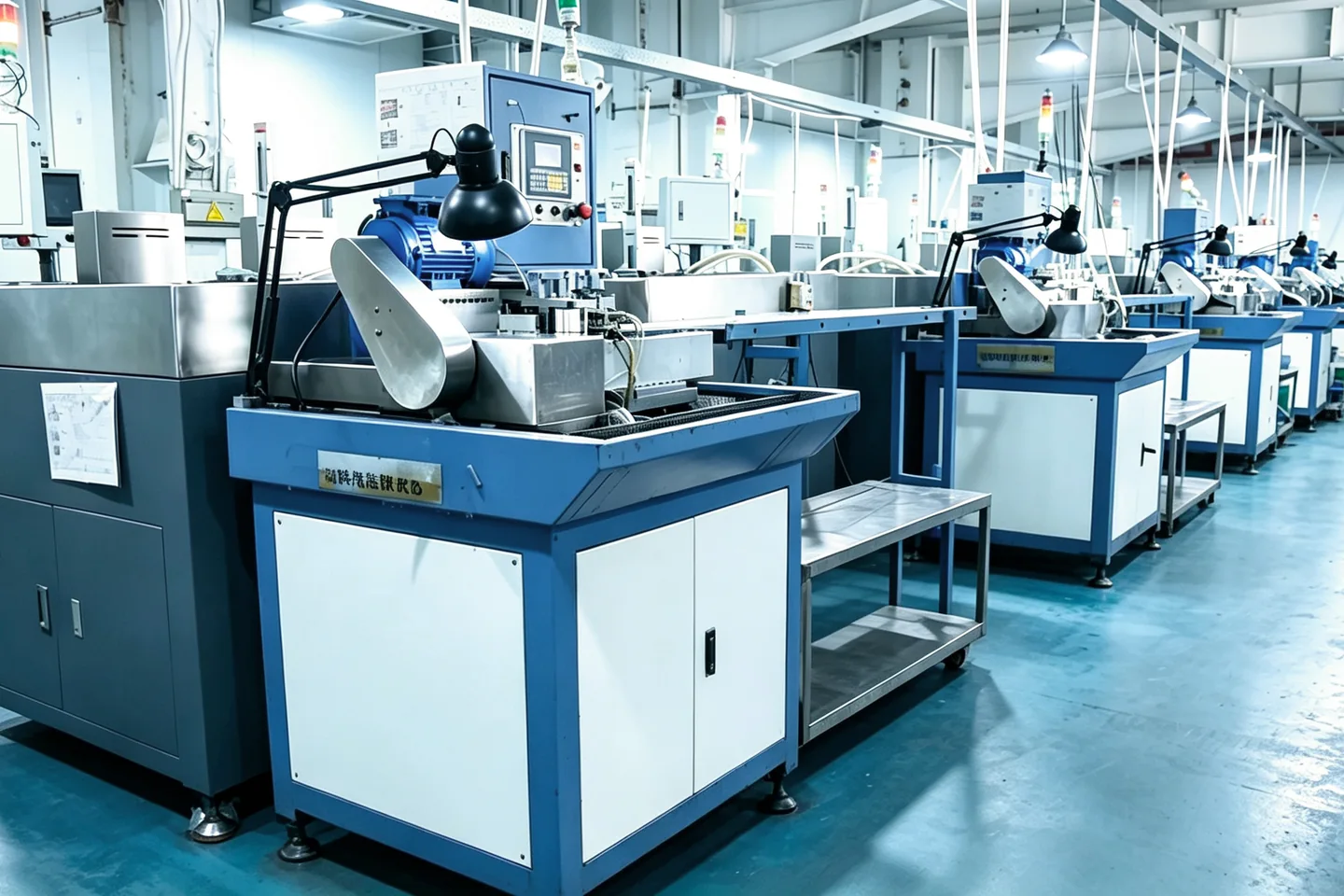
Supplied cutting-equipment reference; it does not certify a laser type, machine inventory or offered thickness range.
Mark contact, locating and mating edges and their required state. Review any material removal during refinement against the original geometry.
Ask which completion is included and what areas are covered. No universal burr-free or polished edge result is promised.
Define relevant surface treatment and protected features. Confirm compatibility and the state after which dimensions apply.
Record altered openings, added reliefs or stock substitutions. Review their effect on later assembly and earlier evidence before approval.
05 / ACCEPTANCE
Profile, edge, surface and material identity are separate questions. Agree methods and selection for the actual part quantities.
| Area | Define | Record |
|---|---|---|
| Geometry | Critical dimensions and datum basis. | Method, revision and sample scope. |
| Edge | Functional completion and permitted condition. | Final operation and accepted reference. |
| Surface | Visible faces and finish requirements. | Stock and viewing basis. |
| Material | Grade/thickness and requested records. | Actual supply and delivery linkage. |
06 / QUOTATION
Secondary work, inspection and surface protection can change the offer. Make them visible alongside quantities and stock.
Send controlled profile/model and drawing where available, stock, important features, edge/finish map and final formed or assembled requirement.
Ask for preparation, cutting, deburring, subsequent work, sample checks, reports and packing to be identified where relevant.
Include quantity variants, destination and desired milestones. Capacity, minimum orders, evidence and timing require actual proposal confirmation.
07 / QUESTIONS
The stock, feature definition and final edge need a common acceptance basis.
Exact material, geometry, edge needs and responsible route determine availability. No universal numerical range is published.
No generic result is claimed. Define the required edge and any deburring or refinement in the offer.
Provide the final formed requirement and state precedence so preparation can be reviewed against assembly intent.
Small features require review for exact stock, thickness and the proposed process. No blanket minimum is asserted.
No. It is a supplied reference. Actual process, site responsibility and capability require confirmation.
PREPARE THE NEXT DECISION
Include CAD or profile files, units and revision, exact stock, important holes and edges, formed requirements if relevant, deburring or finish scope, quantities and destination.
sales@keepwinco.comAn enquiry starts a team review. Material, fit, quantity, schedule, operation responsibility and supporting records are confirmed in the proposal; this form does not create an order or an instant price.
Start with what you know. Review your details before sending; no account needed.
Start parts inquiry →Your project is saved securely only when submission succeeds.
General material context only; external references do not certify a finished KeepWin product.
TRUMPF - laser-cutting process context ↗Protolabs - sheet route context ↗